
Ever tried cutting wood and ended up with rough edges, burn marks, or worse—crooked cuts that ruin your whole project? Yeah… frustrating.
Here’s the truth most beginners (and even some experienced DIYers) don’t realize: your saw is only as good as the blade you’re using.
Think of it like cooking. Even the best chef can’t do much with a dull knife, right? Same thing here. The right saw blade doesn’t just cut wood—it transforms your results.
So if you’re into DIY, carpentry, furniture making, or even running a small negosyo in the Philippines, this guide will walk you through everything you need to know—in a simple, practical, no-BS way.
Understanding the Basics of Saw Blades
What Is a Saw Blade?
A saw blade is the business end of any cutting tool—the sharp, precision-engineered component that actually slices through material. Whether you're using a handheld circular saw, a stationary table saw, or a versatile jigsaw, the blade is what makes the cut happen.
Think of it this way: your machine is the engine, but the blade is the tires gripping the road. Without the right blade, even the most powerful tool won’t deliver clean, accurate results.
Saw blades come in different shapes, sizes, and tooth designs, each built for a specific purpose. Some are designed for fast, rough cuts in softwood, while others are made for ultra-smooth, precise finishes in hardwood or even metal. The number of teeth, their spacing, and their angle all affect how the blade performs.
In short, choosing the right saw blade isn’t just important—it’s everything. It determines how clean your cut is, how fast you can work, and even how safe your operation will be.
Key Parts of a Saw Blade
Let’s break it down quickly—because once you understand these parts, choosing the right blade becomes a whole lot easier.
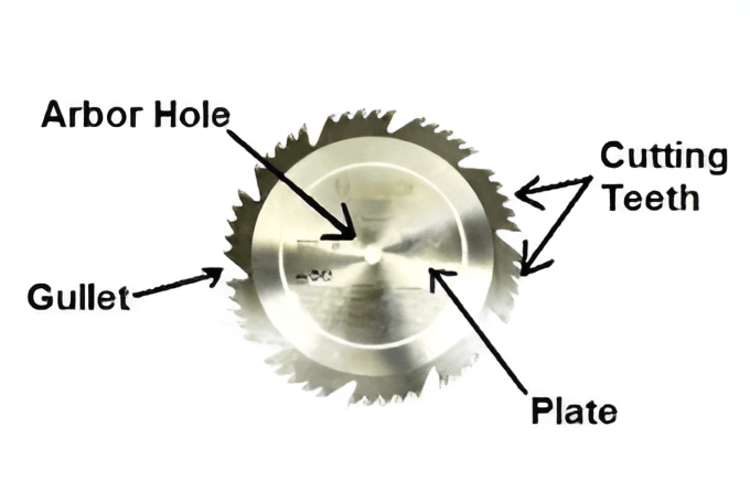
Teeth – These are the sharp cutting edges that do the actual work. Their shape, size, and number determine how fast or smooth your cut will be. Fewer teeth usually mean faster, rougher cuts, while more teeth give you cleaner, finer finishes.
Gullets – The spaces between the teeth might look simple, but they’re crucial. Gullets carry away sawdust and debris as you cut. Bigger gullets help with faster cuts because they clear material more efficiently, especially in thick wood.
Plate – This is the flat metal body that holds everything together. A high-quality plate stays stable and resists vibration, which means straighter cuts and less wobble during operation.
Arbor Hole – The center hole that mounts the blade onto your saw. It has to match your tool perfectly—otherwise, you’ll deal with poor performance or even safety issues.
Simple? Yes. But here’s the thing—each of these parts directly affects how smooth, fast, and clean your cuts turn out. Get familiar with them, and you’ll start picking blades like a pro.
Important Terms You Need to Know
Before you dive into choosing saw blades, there are a few key terms that make everything click. Don’t worry—this isn’t complicated once you see how it all connects.
TPI (Teeth Per Inch)This simply tells you how many teeth are packed into one inch of the blade.
- Low TPI = faster, more aggressive cuts (but rougher finish)
- High TPI = slower cutting, but much smoother and cleaner results
If you’re cutting framing lumber, go low. If you want a clean finish on plywood or trim, go high.
KerfKerf refers to the width of the cut the blade makes.
- Thin kerf = removes less material, so the saw works less → great for smaller or less powerful saws
- Full kerf = thicker and more solid → better stability and durability for heavy-duty work
In simple terms, thin kerf saves power, full kerf gives you strength.
Tooth Design (Keep It Simple)The shape of the teeth changes how the blade cuts—this is where performance really comes in.
- ATB (Alternate Top Bevel) – ideal for clean, smooth cuts in most types of wood
- FTG (Flat Top Grind) – more aggressive, perfect for fast ripping along the grain
- TCG (Triple Chip Grind) – tough and durable, designed for harder materials or heavy use
Don’t overthink this. Just remember: tooth shape directly affects cut quality and speed. Once you get that, you’re already ahead of most beginners.
Main Types of Saw Blades for Wood
Not all saw blades are created equal—and if you’ve ever wondered why some cuts look clean while others look like they were chewed through, this is where the answer lies.
Let’s break down the main types in a simple, practical way.
Cutting Along the Grain (Rip Cut) vs Across the Grain (Crosscut)
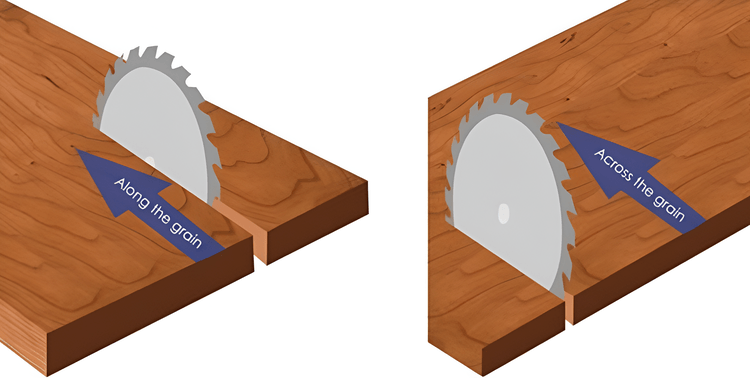
Cutting Along the Grain (Rip Cut)
Cutting in the same direction as the wood grain (lengthwise).
- Faster cutting
- Long wood fibers separate
- Can be rough or prone to binding
- Used to make boards narrower
Cutting Across the Grain (Crosscut)
Cutting against the wood grain (widthwise).
- Cleaner, smoother finish
- More resistance while cutting
- Produces fine sawdust
- Used to shorten boards
Simple Difference
- Along the grain = lengthwise, faster, rougher
- Across the grain = crosswise, cleaner, slower
1. Rip Blades (Cutting Along the Grain)
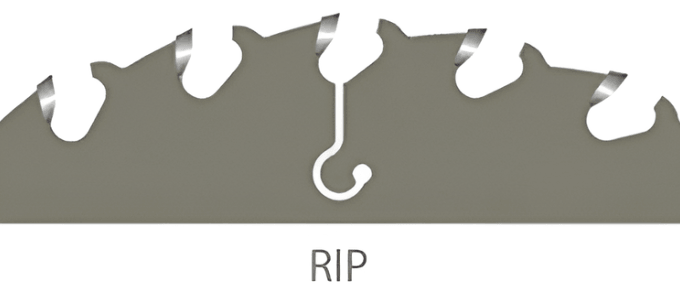
If wood has a “direction,” rip blades follow it—cutting along the grain for speed and efficiency.
- Fewer teeth (usually 20–30)
- Fast, aggressive cutting
- Leaves a rougher finish
👉 Perfect for:
- Cutting lumber
- Construction work
- Basic carpentry projects
Real talk: If you’re building tables, benches, or frames—this blade saves serious time.
2. Crosscut Blades (Cutting Across the Grain)
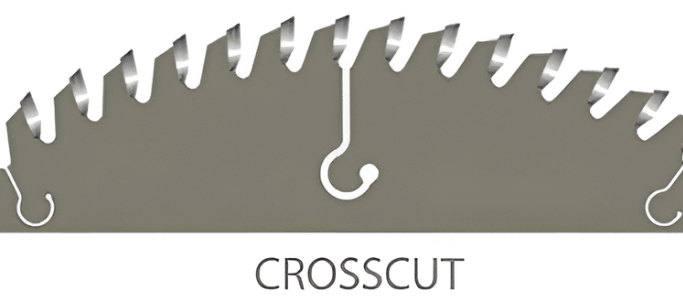
Now imagine slicing across the fibers instead of following them.
- More teeth (60–80+)
- Slower but smoother cuts
- Cleaner, more refined finish
👉 Ideal for:
- Plywood
- Trim work
- Furniture finishing
This is your “pang-beauty” blade—made for clean, polished results.
3. Combination Blades (Best of Both Worlds)
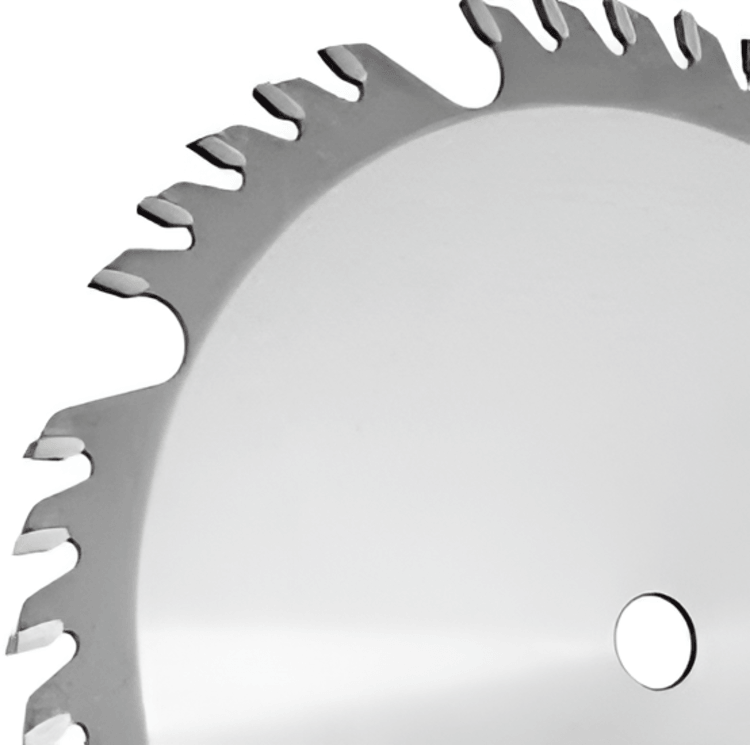
Can’t decide? This one tries to do it all.
- Medium tooth count (~40–50)
- Handles both rip and crosscuts
- Not perfect—but very practical
👉 Perfect for:
- Beginners
- Budget setups
- General home use
If you only buy one blade—make it this.
4. Plywood Blades
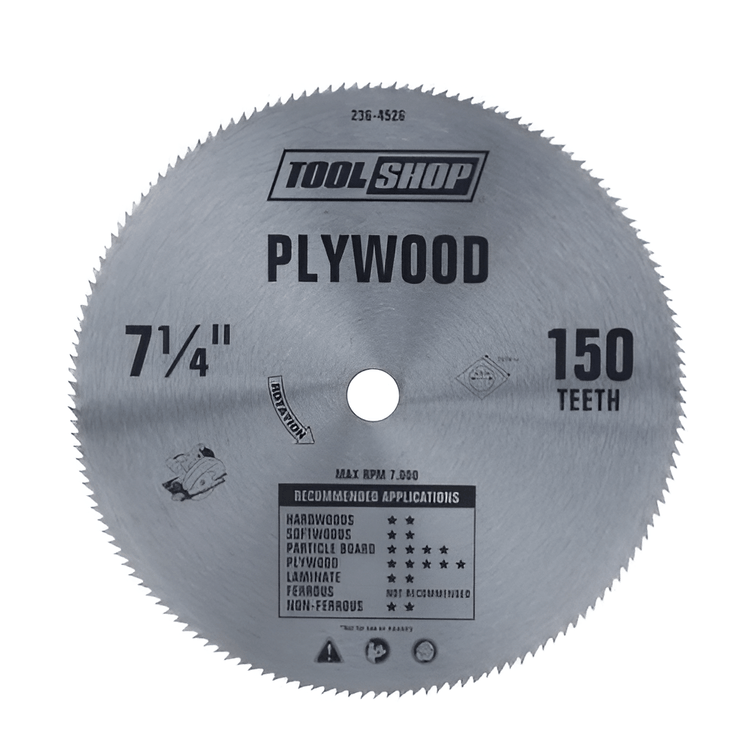
Ever noticed plywood edges chipping? That’s called tear-out—and this blade is built to stop it.
- High tooth count (80+)
- Ultra-clean, splinter-free cuts
- Designed for thin, layered materials
👉 Best for:
- Plywood
- Laminated boards
- MDF
If clean edges matter, this is non-negotiable.
5. Fine Finish Blades
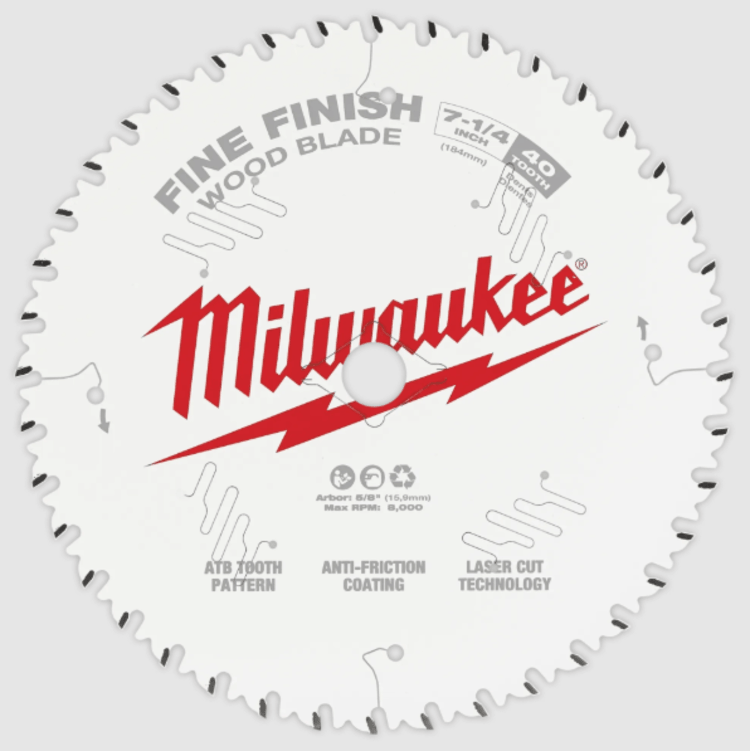
This is where things get premium.
- Very high tooth count
- Extremely smooth cuts
- Little to no sanding needed
👉 Used for:
- Cabinets
- Doors
- Interior finishing
If your work needs to impress clients or look high-end, this blade makes the difference.
6. Dado Blades (For Grooves and Joints)
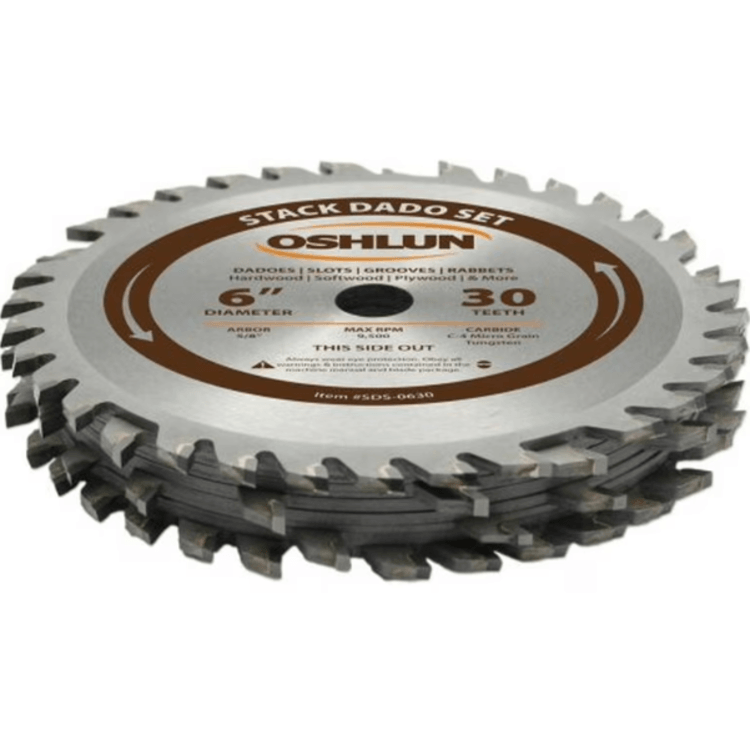
This isn’t your typical blade—it’s actually a set of blades working together.
- Cuts wide grooves instead of thin lines
- Designed for precise joinery
👉 Perfect for:
- Shelves
- Cabinets
- Wood joints
More advanced—but incredibly powerful once you know how to use it.
At the end of the day, choosing the right blade isn’t about having everything—it’s about knowing what you’re cutting and picking the tool that matches the job.
Quick Comparison Table
| Blade Type | Teeth Count | Best For | Cut Quality | Speed |
|---|---|---|---|---|
| Rip Blade | 20–30 | Cutting along the grain | Rough | Fast |
| Crosscut Blade | 60–80+ | Cutting across the grain | Smooth | Slow |
| Combination Blade | 40–50 | General-purpose cutting | Moderate | Moderate |
| Plywood Blade | 80+ | Plywood, laminated boards | Very smooth | Moderate |
| Fine Finish Blade | 80–100+ | Cabinets, doors, trim | Ultra-smooth | Slow |
| Dado Blade | Varies | Grooves & joinery | Depends on setup | Moderate |
Specialized Wood-Cutting Blades
Once you move beyond basic blade types, you’ll start seeing blades designed for specific machines and tasks. These are your go-to options depending on the tool you’re using and the kind of work you’re doing.
7. Circular Saw Blades
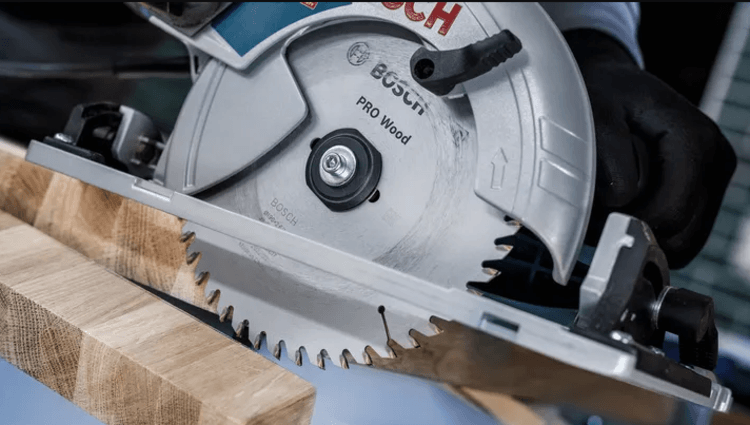
Probably the most common type used in the Philippines—especially in places where portability matters.
- Portable and easy to handle
- Highly versatile
- Widely available in hardware stores
👉 Common uses:
- Construction
- DIY projects
- On-site work
If you’re working around different job sites or doing home projects, this is usually your first choice.
8. Table Saw Blades
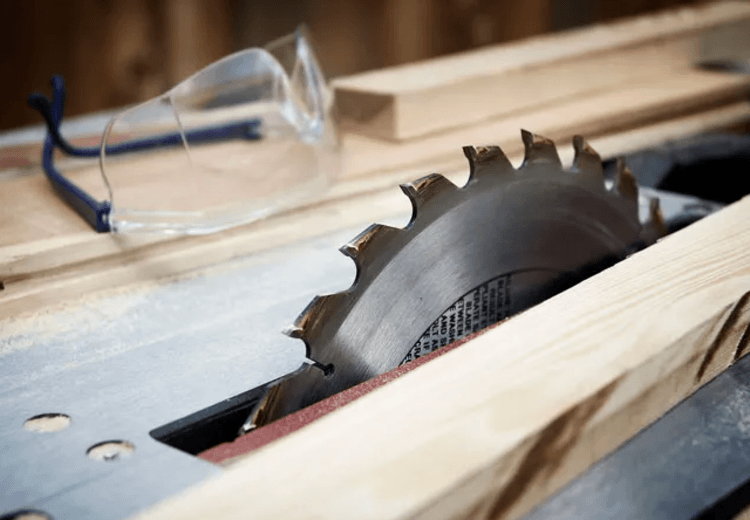
This is where precision starts to level up.
- Stable and highly accurate
- Ideal for repeat cuts
- Handles larger workpieces with ease
👉 Best for:
- Workshops
- Furniture making
- Professional use
If you care about consistency and clean results, table saw blades are hard to beat.
9. Miter Saw Blades
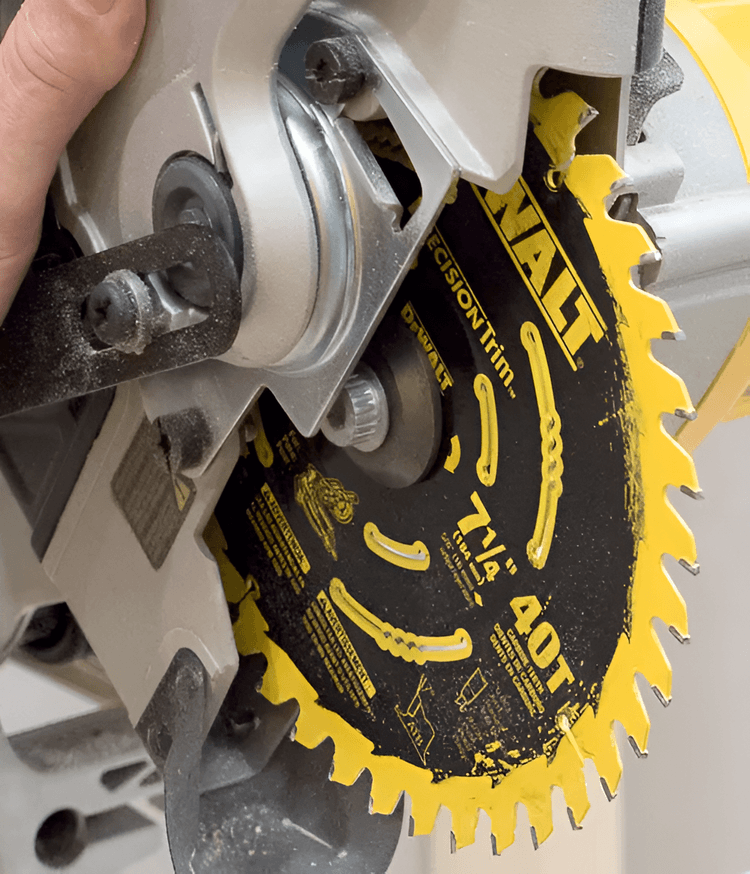
Built specifically for angle cuts—and they do it extremely well.
- Clean, precise finishes
- Perfect for angled and crosscuts
- Great control over detailed work
👉 Used in:
- Molding
- Frames
- Finishing work
When corners need to be perfect, this is the blade you trust.
10. Jigsaw Blades
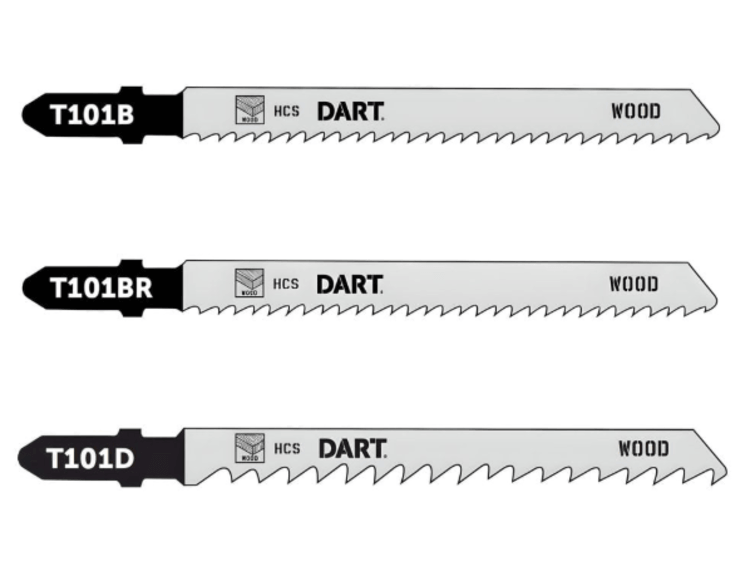
Small in size, but surprisingly capable.
- Designed for curves and intricate shapes
- Lightweight and flexible
- Great for creative cutting
👉 Ideal for:
- Custom designs
- DIY crafts
- Detailed cuts
If straight lines aren’t your thing, this blade gives you freedom to get creative.
11. Bandsaw Blades
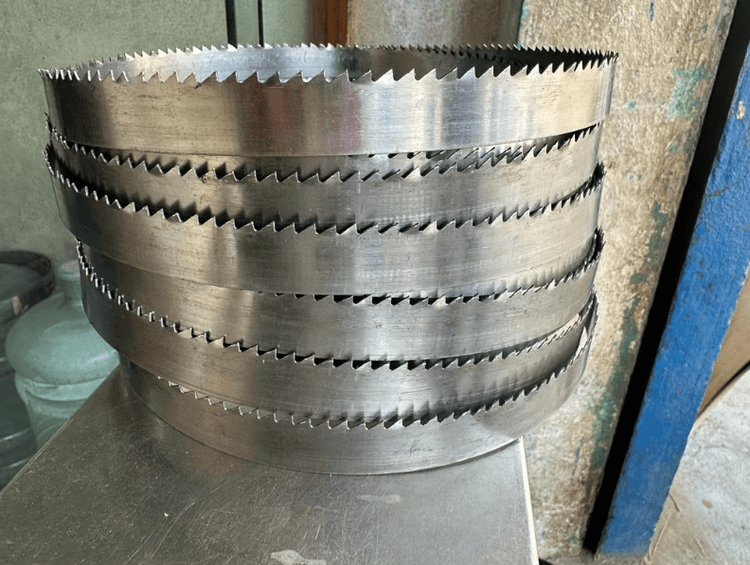
This is your heavy-duty option for bigger jobs.
- Handles thick materials
- Excellent for resawing (cutting wood into thinner pieces)
- Smooth, controlled cutting action
👉 Used in:
- Lumber processing
- Larger workshops
If you’re working with big pieces of wood or need serious cutting capacity, bandsaw blades deliver.
Bottom line? The blade you choose should match both your tool and your task. Get that right, and everything—from speed to finish quality—falls into place.
Quick Comparisom Table
| Blade Type | Common Use | Best For | Cut Quality | Portability / Setup |
|---|---|---|---|---|
| Circular Saw Blade | General cutting | Construction, DIY projects | Good | High (portable) |
| Table Saw Blade | Precision cuts | Workshops, furniture making | Very smooth | Low (stationary) |
| Miter Saw Blade | Angled cuts | Trim work, moldings | Smooth & precise | Medium |
| Jigsaw Blade | Curves & detailed cuts | Creative DIY, shapes | Moderate | High (portable) |
| Bandsaw Blade | Thick wood & resawing | Lumber, large workshops | Good | Low (stationary) |
How to Choose the Right Blade
Choosing a saw blade doesn’t have to feel complicated. If you focus on a few key factors, you’ll avoid wasting money—and get better results every time you cut.
1. Know Your Wood
Different materials behave differently, so your blade needs to match.
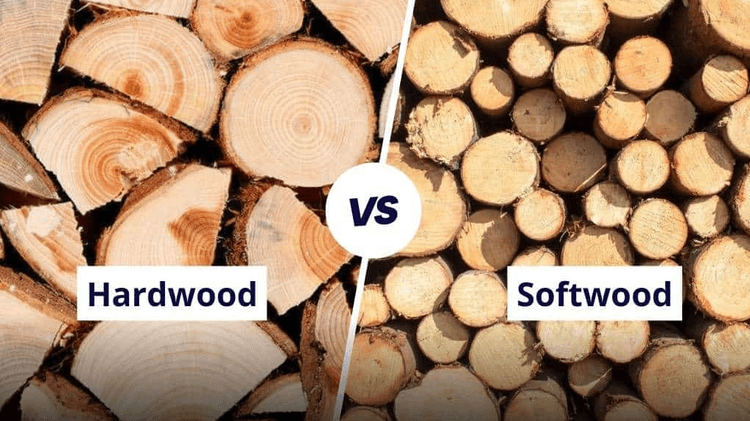
- Hardwood → needs stronger, more durable blades
- Softwood → easier to cut, more forgiving
- Plywood / MDF → requires fine teeth to avoid chipping
Use the wrong blade, and you’ll either struggle—or ruin your finish.
2. Match the Blade to Your Saw
This is non-negotiable. Always check:
- Blade size (7-1/4”, 10”, etc.)
- Arbor size (center hole)
A blade that doesn’t fit properly isn’t just ineffective—it’s unsafe.
3. Choose the Right Tooth Count
This is where most beginners get stuck, but it’s actually simple.
Ask yourself:👉 Do I want speed or smoothness?
- Fast cuts → fewer teeth
- Smooth finish → more teeth
There’s no “perfect” option—just the right one for your job.
4. Budget vs Quality
Let’s be real—this matters a lot.
- Cheap blades wear out quickly
- They lose sharpness faster
- Cuts become rough and inconsistent
On the other hand:
- Better-quality blades last longer
- Stay sharper
- Give cleaner results
Spending a bit more upfront = saving money long-term.
At the end of the day, choosing the right blade comes down to matching your material, your tool, and your goal. Get those three right, and you’ll cut faster, cleaner, and with way less frustration.
Common Mistakes to Avoid
Let’s save you from a lot of frustration (and wasted money). These are the mistakes that trip up most beginners—and even some experienced users.
Using One Blade for Everything
It’s tempting to stick with a single blade, but that’s a shortcut that backfires. Different cuts need different blades. Use the wrong one, and you’ll get rough edges, burn marks, or extra strain on your tool.
Ignoring Dull Blades (Dangerous!)
A dull blade doesn’t just cut badly—it’s actually more dangerous.
- It forces you to push harder
- Increases the chance of kickback
- Produces messy, inaccurate cuts
If your cuts start looking rough or the saw struggles, it’s time to replace or sharpen the blade.
Buying the Cheapest Option Every Time
Saving money upfront feels smart… until the blade wears out after a few uses. Cheap blades:
- Dull quickly
- Cut inconsistently
- Can even warp under stress
A slightly more expensive blade will last longer and perform better—it’s the smarter investment.
Not Checking Compatibility
This one is simple but critical.Wrong blade size or arbor hole =
- Poor performance
- Wobbling
- Serious safety risks
Always double-check before you buy or install.
Bottom line: A shortcut mindset leads to bad results. Every time.
Take a few extra seconds to choose the right blade, and your cuts will be cleaner, safer, and way more professional.
Maintenance Tips (Especially Important in PH Climate)
In the Philippines, humidity is your enemy when it comes to saw blades. Moisture can cause rust, reduce performance, and make cuts messy. A little care goes a long way.
To keep your blades in top shape, clean them regularly to remove sawdust, resin, and sap after each use. Always store them in a dry place to prevent rust—toolboxes or sealed containers work best. Sharpen the blades when needed; don’t wait until they are completely dull. Regular sharpening keeps cuts clean and reduces strain on your saw.
A well-maintained blade can last years, even with frequent use. Treat it right, and your investment will pay off with every cut.
Safety Tips You Should Never Ignore
Safety isn’t optional when working with saws—one slip can cost more than just your project. Always wear gloves to protect your hands and safety goggles to shield your eyes from flying wood chips and dust. Keep your hands well away from the blade path, and never try to push the wood through faster than the saw can handle. Forcing a cut increases the risk of kickback or binding, which can lead to serious injuries.
Always use the right blade for the job. A blade designed for ripping softwood isn’t safe or effective for cutting plywood or hardwood, and using the wrong one can damage both your project and the tool. Before each use, inspect your blade carefully for cracks, chips, or dullness. Even small damage can cause the blade to break or the cut to go off track.
Remember, taking a few extra seconds to follow these safety practices can prevent accidents, save your tools, and keep your projects running smoothly. Safety is the foundation of every successful woodworking job.
Conclusion: The Right Blade Changes Everything
Here’s the bottom line: choosing the right saw blade isn’t just a “nice-to-have”—it can completely transform your woodworking experience. The right blade is the difference between clean cuts and messy edges, fast progress and frustrating slow work, professional results and amateur-looking projects.
Whether you’re a DIY enthusiast, a weekend builder, or running a small negosyo, using the correct blade helps you work smarter, not harder. It saves time, reduces mistakes, and even protects your tools and materials from unnecessary wear.
So next time you pick up your saw, take a moment to ask yourself: is this the right blade for the job, or am I making things harder than they need to be? A small choice like this can make a huge difference in the quality, speed, and satisfaction of your work.
FAQs
1. What is the best saw blade for plywood in the Philippines?
A high tooth count blade (80+ teeth) is best to prevent chipping and tear-out.
2. How many teeth should a wood cutting blade have?
It depends on your goal:
- 20–30 teeth → fast cuts
- 60–80+ teeth → smooth cuts
3. Can I use one blade for all types of wood?
Yes, a combination blade works—but it won’t be perfect for every task.
4. How often should I replace my saw blade?
When you notice:
- Burn marks
- Rough cuts
- Slower performance
5. What blade is best for smooth cuts?
A fine finish or high-tooth-count crosscut blade gives the smoothest results.