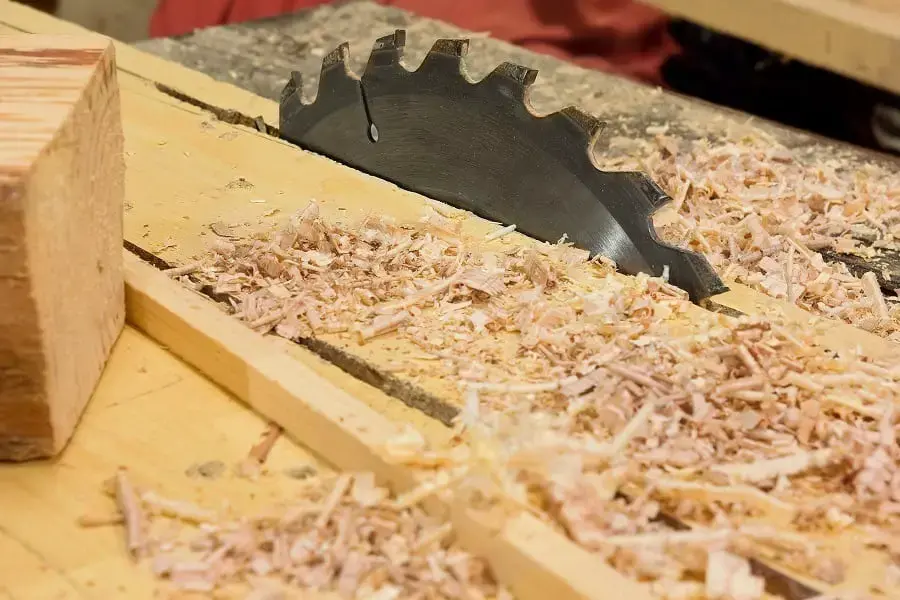
Not many people realize it, but there are hundreds of ways that sawdust is used as a by-product in the modern world, so when you’ve got some laying around you might want to put it to good use too.
This naturally absorbent material is used for everything from animal feed to cleaning products, and if you take the time to look around you’ll be surprised at just how versatile it is.
Most of us dispose of the pile of sawdust that builds up after a woodworking project, but there’s no need to do that anymore with these simple suggestions, so you can give your wood a second chance at helping you out around the home.
Here are a few ways your sawdust can be recycled at your house and have a hugely beneficial result.
#1 Plant Food
Many commercial plant feeds already include some degree of sawdust, which means you can easily put it to good use in your own garden.
Instead of throwing it away, try mixing a handful of sawdust into your regular manure or compost. The sawdust adds extra carbon, helping to balance nitrogen-rich materials and improve the overall structure of your soil. This creates a more nutrient-rich, well-aerated mixture that supports healthier root growth.
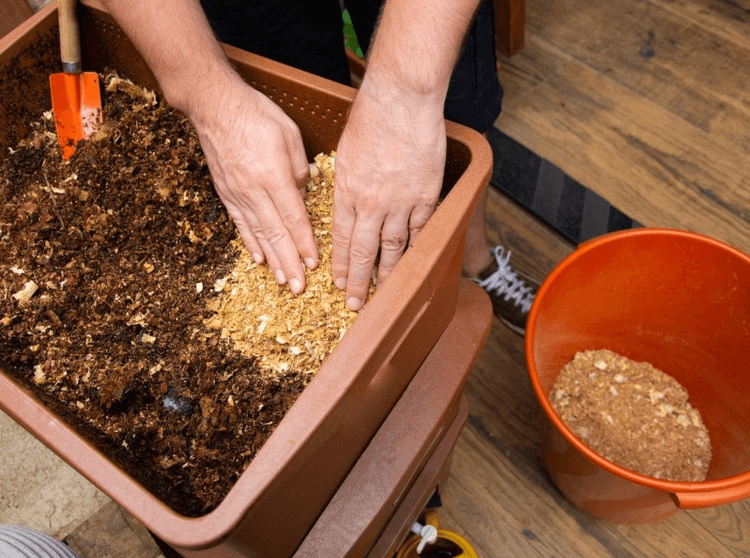
When applied to your plants and flowers, this enhanced blend can improve moisture retention, boost microbial activity, and gradually release nutrients—making your homemade fertilizer even more effective than before.
#2 Mess Cleaner
This method has been used by commercial cleaners for generations, and it’s just as useful around your home today.
Sawdust is naturally highly absorbent, making it ideal for tackling large spills or loosening stubborn stains. Instead of spreading liquid around with a cloth, you can sprinkle a generous layer of sawdust over the affected area and let it soak everything up. Once it has absorbed the liquid, simply sweep or vacuum it away.
It’s especially effective for messy substances like paint, oil, grease, or fuel—things that are notoriously difficult to clean with regular methods. In these cases, sawdust not only absorbs the bulk of the spill but also helps prevent it from spreading further, making cleanup faster, easier, and far less frustrating.
#3 Fake Snow
If you’re getting into some Christmas arts and crafts, why not put your sawdust to creative use by making your own fake snow?
All you need to do is spread the sawdust out evenly, lightly coat it with white spray paint, and sprinkle some glitter or sparkles on top. Once it dries, you’ll have a surprisingly realistic snow-like material with a soft texture and a subtle shimmer—perfect for festive decorations.
This DIY snow works great for a variety of holiday projects. You can use it to decorate Christmas cards, add a snowy touch to nativity scenes, or create charming details on gingerbread houses. It’s an easy, low-cost way to turn leftover sawdust into something magical and visually appealing.
#4 Weed Killer
Not only can sawdust be used to feed your plants, but it can also help keep unwanted growth at bay.
Simply take your sawdust and pack it tightly between cracks, gaps, or spaces in garden beds, pathways, or even cement areas where weeds tend to appear. Acting as a natural barrier, sawdust blocks sunlight and limits the space weeds need to grow, making it much harder for them to take root and spread.
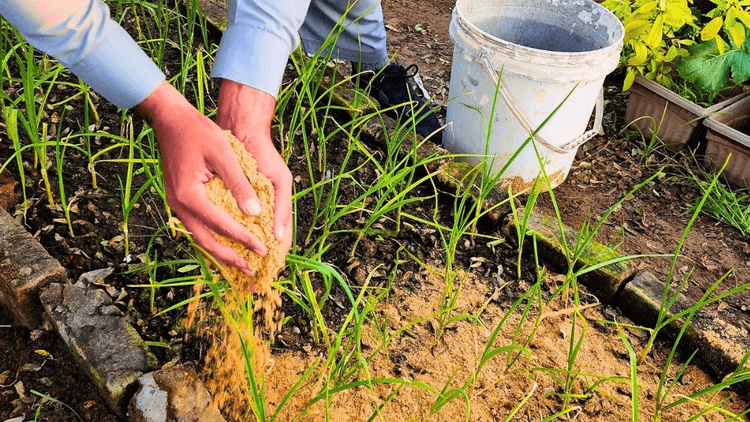
Over time, it can also help dry out young weeds and suppress new growth, especially when applied in a thicker layer. This makes sawdust a simple, earth-friendly, and chemical-free solution for keeping your garden neat, tidy, and looking its best—without relying on harsh herbicides.
#5 Fire Maker
Keep some sawdust on hand for your next camping trip—it can be a surprisingly effective fire starter when you need one most.
To make it, simply mix melted candle wax with a handful of dry sawdust, then let the mixture cool and harden into small chunks or blocks. The sawdust acts as a fuel source, while the wax helps it burn slowly and steadily, giving your fire more time to catch.
Once set, these homemade fire starters are compact, lightweight, and easy to pack into your backpack. When you’re out in the wild, just place one under your kindling, light it, and you’ll have a strong, consistent flame to help get your fire going—even in less-than-ideal conditions.