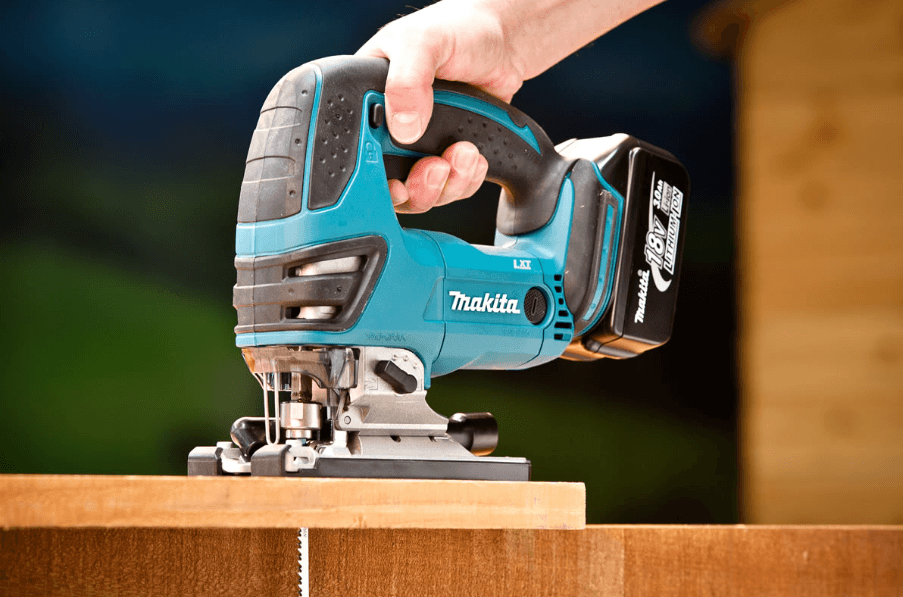
When it comes to cutting curves, patterns, and detailed shapes with ease, few tools are as practical as a jigsaw. Whether you’re working on wood, plastic, or light metal, this compact powerhouse gives you the control and flexibility to tackle creative cuts without needing heavy-duty equipment or outside help.
Like most power tools, the jigsaw market in the Philippines is filled with a wide range of options—from budget-friendly basics to feature-packed models—so choosing the right one can quickly get confusing.
That’s where this guide comes in. I’ve narrowed things down to five of the top jigsaws for 2026, covering different needs and budgets.
We’ll kick things off with the top three standout picks, then explore the rest, and finish with some straightforward tips to help you find the perfect jigsaw for your projects.
Let’s dive in.
Best Jigsaws Reviews & Recommendations For 2026
🥇 Best overall (value + performance): Bosch JS470E
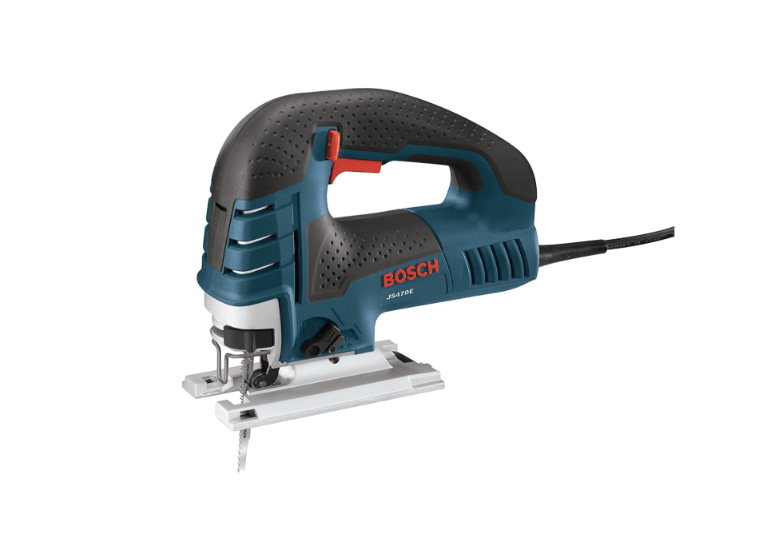
👉 Why it wins:
- Extremely smooth and accurate cuts
- Durable motor + low vibration
- Widely recommended as best value overall
The Bosch JS470E is a jigsaw designed for users who need high cutting power and durability for continuous use. It is especially suitable for cutting wood, plastic, and metal where precision and reliable performance are essential. With its 7.0-amp motor and versatile features, this machine is ideal for both DIY projects and professional work that demands power and accuracy.
Features and Applications:
- 7.0-amp motor: Powerful and capable of handling continuous cutting across various materials
- Variable speed 500–3,100 SPM: Adjustable cutting speed to match different tasks and materials
- Cutting capacity: Wood: up to 135 mm / Steel: up to 10 mm
- 4 orbital action settings: Allows different blade motions for smoother or more aggressive cuts
- 45° bevel cutting: Enables precise angled cuts for more complex work
- Tool-free blade change system: Quick and easy blade replacement without additional tools
- Weight approx. 2.5 kg: Solid weight provides stability and improved cutting accuracy
Uses:
- Woodworking: Ideal for cutting plywood, MDF, hardwood, and softwood. Perfect for furniture making, cabinetry, shelving, and custom wooden projects
- Curved and Patterned Cuts: The variable speed and orbital action make it easy to follow templates, stencils, or intricate designs without chipping or splintering
- Metal Cutting: With the right blade, it can cut thin sheet metal, aluminum, or steel rods—useful for light fabrication or home improvement projects
- Plastic and Acrylic: Smooth cuts in acrylic sheets, PVC, or other plastics without cracking or melting, thanks to adjustable speed control
- Beveled or Angled Cuts: The 45° bevel capacity allows for precise angled cuts for picture frames, trim, or decorative projects
- DIY Home Projects: From cutting door panels and flooring to crafting custom decorations, the JS470E is flexible enough to handle almost any household cutting task
- Professional Jobsites: Contractors and carpenters can use it for on-site adjustments, quick cuts, or any task where a reliable, portable jigsaw is needed
Advantages:
- High cutting power: Suitable for both professional users and DIY enthusiasts who need precision and strength
- Multiple adjustable functions: Orbital settings and speed control allow flexibility for different cutting needs
- Versatile usage: Can cut a wide range of materials including wood, plastic, and metal
- Easy and safe blade change: No extra tools required, saving time and effort
Disadvantages:
- Weight: Slightly heavier than entry-level models, which may cause fatigue during long use
- Corded design: Limits portability compared to cordless options
- Not for extremely heavy-duty industrial work: While powerful, it’s not a replacement for larger industrial cutting machines
Suitable for:The Bosch JS470E is ideal for DIY users, carpenters, and professionals who need a reliable and precise jigsaw. Whether you’re working on wood, metal, or plastic, this jigsaw delivers consistent performance and accuracy. It’s a great choice for home use, workshops, or projects that require durability and precision.
💰 Best budget corded option: Porter-Cable PCE345 6-Amp Orbital Jigsaw
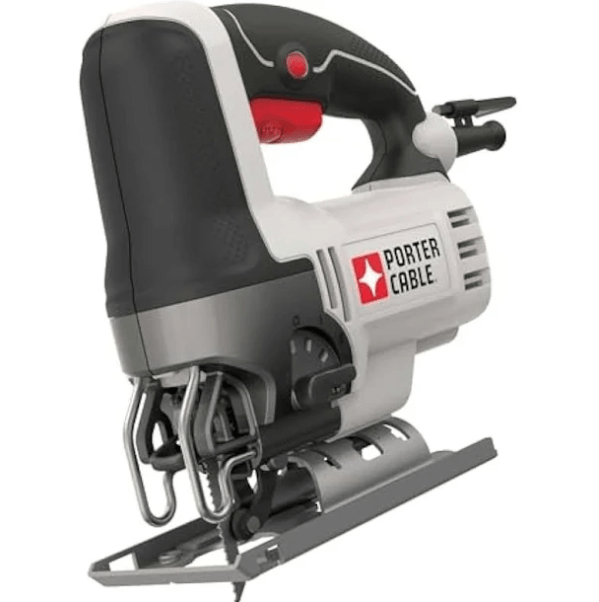
👉 Why it’s great:
- Cheap but powerful (6A motor)
- Solid entry-level performance
- Great for beginners
The Porter-Cable PCE345 is a jigsaw designed for users who need reliable cutting power and durability for continuous use. It is especially suitable for cutting wood, plastic, and light metal where precision and efficiency are important. With its 6-amp motor and versatile features, this machine is ideal for both DIY projects and light professional work that requires a balance of performance and affordability.
Features and Applications:
- 6-amp motor: Provides sufficient power for continuous cutting across various materials
- Variable speed 0–3,200 SPM: Adjustable speed with a dial for better control depending on the task
- Cutting capacity: Wood: approx. 90–100 mm / Steel: approx. 6–8 mm (depending on blade)
- 4 orbital action settings: Allows different cutting styles from smooth to aggressive
- Bevel cutting up to 45°: Enables angled cuts for more flexible applications
- Tool-free blade change system: Quick and easy blade replacement without additional tools
- Lock-on button: Reduces fatigue during long cutting sessions
- Weight approx. 2.4 kg: Balanced weight for stability and control
Uses:
- Woodworking: Cutting plywood, lumber, MDF, and other wooden materials for furniture, shelving, or framing
- Curved and Patterned Cuts: Great for following templates, curves, and shapes with smooth control
- Trim and Finish Work: Ideal for cutting trim pieces, door frames, and molding accurately
- Plastic Cutting: Works well on PVC and other plastic panels with the right blade installed
- DIY Home Projects: Perfect for general home improvements like cutting boards for shelves or simple carpentry jobs
- Light Metal Cutting: Capable of slicing through thin sheet metal or light aluminum with appropriate blades
- Jobsite Adjustments: Handy for quick cuts, small modifications, and touch‑ups without needing a larger saw
Advantages:
- Affordable with solid performance: Excellent value for DIY users and beginners
- Adjustable speed and orbital settings: Provides flexibility for different materials and cutting styles
- Comfortable handling: Ergonomic grip and lock-on feature improve ease of use
- Versatile usage: Suitable for wood, plastic, and light metal cutting
Disadvantages:
- Lower power than premium models: Not ideal for heavy-duty or industrial applications
- Corded design: Limits mobility compared to cordless tools
- Basic build quality: More suited for entry-level to mid-range users
Suitable for:The Porter-Cable PCE345 is ideal for DIY users, hobbyists, and light-duty professionals who need a dependable and budget-friendly jigsaw. Whether you’re working on home improvement projects, simple carpentry, or occasional metal cutting, this tool offers reliable performance and ease of use for everyday tasks.
⚡ Best cordless value: DEWALT DCS334B
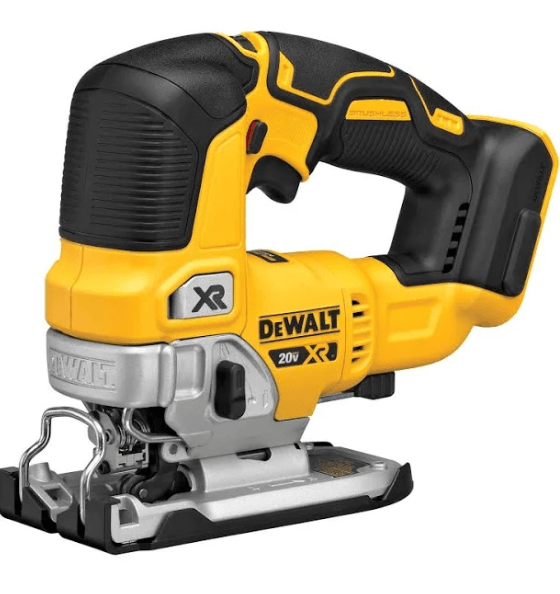
👉 Why it stands out:
- Strong battery system
- Great for jobsite use
- Premium feel without extreme price
The DEWALT DCS334B is a cordless jigsaw designed for users who need portable cutting power, efficiency, and precision. It is especially suitable for cutting wood, plastic, and light metal where cordless convenience and reliable performance are important. With its brushless motor and 20V MAX XR battery system, this machine is ideal for both DIY projects and professional work that requires power, accuracy, and extended runtime.
Features and Applications:
- Brushless motor: Efficient and powerful performance with longer runtime compared to brushed motors
- Variable speed up to 3,200 SPM: Allows precise adjustment for different materials and cutting tasks
- Cutting capacity: Wood: approx. 100–120 mm / Steel: approx. 6–8 mm (depending on blade)
- 4 orbital action settings: Adjustable blade motion for smoother or more aggressive cuts
- Bevel cutting up to 45°: Enables angled cuts for more flexible applications
- All-metal tool-free blade clamp: Quick and easy blade changes without additional tools
- Integrated LED light and dust blower: Illuminates the cutting line and keeps it clear for improved accuracy
- Weight approx. 2.1 kg: Lightweight and compact design for better control and maneuverability
Uses:
- Woodworking: Cutting plywood, hardwood, softwood, and MDF for cabinetry, furniture, and construction projects
- Curved and Patterned Cuts: Precise control for intricate shapes, templates, and detailed designs
- Trim and Finish Work: Accurate cuts for molding, trim pieces, and fine carpentry applications
- Metal Cutting: Suitable for cutting sheet metal, aluminum, and light steel with the proper blade
- Plastic Cutting: Clean cuts in PVC, acrylic, and other plastic materials without excessive chipping
- Beveled or Angled Cuts: Adjustable shoe allows for accurate bevel cuts up to 45° for complex work
- Jobsite Use: Cordless design makes it ideal for on-site work, quick adjustments, and areas without easy power access
Advantages:
- Cordless convenience: Provides freedom of movement and easy use on job sites or in workshops
- Efficient brushless motor: Delivers strong cutting power with extended battery life
- Adjustable cutting settings: Orbital action and variable speed improve versatility for different materials
- Easy and safe blade changes: Tool-free clamp makes swapping blades fast and simple
- Built-in LED and dust blower: Helps maintain visibility and precision while cutting
Disadvantages:
- Battery and charger not included: Sold as a bare tool, requiring separate purchase of batteries
- Not for heavy-duty industrial work: Suitable for DIY and light professional tasks but not for large-scale industrial cutting
- Limited cutting capacity compared to corded models: Cordless runtime and power may be slightly lower than high-powered corded saws
Suitable for:The DEWALT DCS334B is ideal for DIY users, carpenters, woodworkers, and light-duty professionals who need a portable, reliable, and efficient cordless jigsaw. Whether you’re cutting curves, trim work, or precise edges in wood, plastic, or light metal, this tool provides the performance and freedom of cordless operation, making it perfect for workshops, job sites, and home projects.
🔧 Best mid-range all-rounder: Makita JV0600K
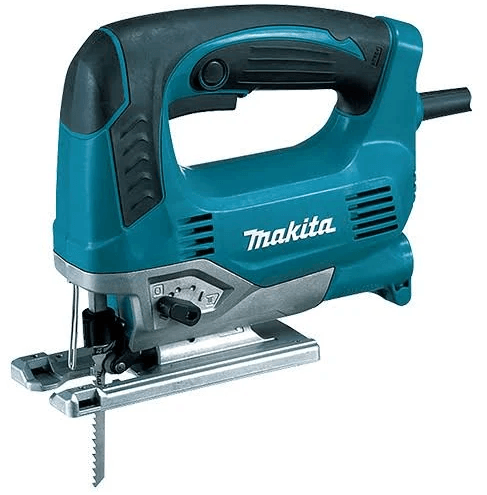
👉 Why:
- Smooth operation
- Good durability
- Excellent balance of price and performance
The Makita JV0600K is a corded orbital jigsaw designed for users who need reliable cutting power, smooth operation, and versatility in everyday cutting tasks. It’s especially suitable for cutting wood, plastic, and light metal where precision and ease of use are important. With its 6.5‑amp motor and adjustable features, this jig saw is ideal for DIY projects, woodworking, and professional tasks that require dependable performance.
Features and Applications:
- 6.5‑amp motor: Provides strong cutting power for a range of materials
- Variable speed control: Lets you adjust cutting speed to suit different materials and applications
- Cutting capacity: Wood: approx. 130–135 mm / Steel: approx. 6–8 mm (depending on blade)
- 3 orbital action settings: Adjustable blade movement for smoother or faster cutting
- Bevel cutting up to 45°: Allows accurate angled cuts for more complex tasks
- Tool‑less blade change system: Quick and easy blade changes without extra tools
- Ergonomic rubber‑grip handle: Comfortable to hold, reducing fatigue during longer jobs
- Weight approx. 2.5 kg: Solid but balanced weight for stability and control
Uses:
- Woodworking: Cutting plywood, softwood, hardwood, and MDF for furniture, shelving, and general carpentry
- Curved and Patterned Cuts: Suitable for following templates and making smooth curved or irregular cuts
- Trim and Finish Work: Accurate cutting of trim pieces, panels, and decorative elements
- Plastic Cutting: Clean cuts in PVC, laminates, and other plastic materials with proper blade selection
- Light Metal Cutting: Capable of cutting thin sheet metal and aluminum with the correct blade
- Beveled or Angled Cuts: Adjustable base allows bevel cuts up to 45° for angled applications
- DIY and Workshop Projects: Ideal for home improvement tasks, repairs, and small to medium workshop projects
Advantages:
- Reliable performance: Strong motor suitable for both hobby projects and professional use
- Adjustable cutting settings: Orbital action and variable speed increase versatility
- Comfortable design: Ergonomic grip and balanced weight make it easier to control
- Tool‑free blade change: Saves time and effort when swapping blades
- Versatile usage: Suitable for cutting wood, plastic, and light metal
Disadvantages:
- Corded design: Limits mobility compared to cordless models
- Not ideal for heavy industrial cutting: Designed more for general woodworking and DIY tasks
- Moderate power: Not as powerful as some higher‑end or larger industrial saws
Suitable for:The Makita JV0600K is ideal for DIY users, carpenters, woodworkers, and light professionals who need a dependable, easy‑to‑use jigsaw. Whether you’re working on home improvement projects, cabinetry, or general cutting tasks in wood and other materials, this tool delivers consistent performance and accuracy for everyday use.
💸 Best cheap but reliable: Makita 4329
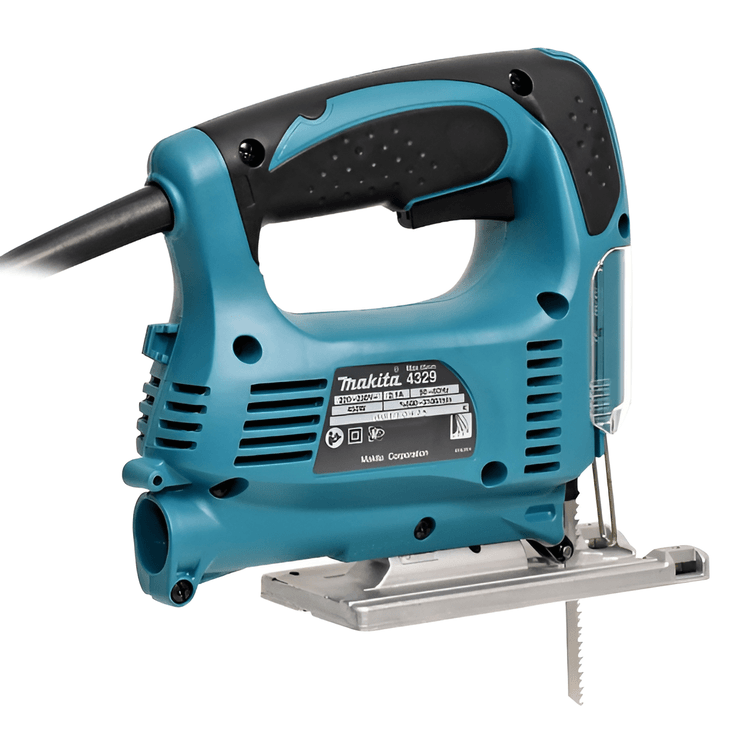
👉 Why:
- Very affordable
- Trusted Makita reliability
- Perfect for occasional use
The Makita 4329 is a corded jigsaw designed for users who need a compact, reliable, and easy‑to‑use cutting tool for everyday cutting tasks. It’s especially suitable for cutting wood, plastic, and light metal where precision and simplicity are important. With its 450‑watt motor and straightforward features, this machine is ideal for DIY projects, hobby woodworking, and light professional work that requires dependable performance without unnecessary complexity.
Features and Applications:
- 450‑watt motor: Provides sufficient power for basic cutting tasks across various materials
- Variable speed control: Lets you adjust cutting speed to match the material and task
- Cutting capacity: Wood: approx. 70–80 mm / Steel: approx. 6–8 mm (depending on blade)
- 3 orbital action settings: Allows you to tailor blade motion for smoother finish or faster cuts
- Bevel cutting up to 45°: Enables accurate angled cuts for versatile applications
- Tool‑less blade change system: Makes blade replacement quick and easy without extra tools
- Compact design: Lightweight and easy to handle for precise work and tighter spaces
Uses:
- Woodworking: Cutting plywood, softwood, and MDF for furniture, shelving, and basic carpentry projects
- Curved and Patterned Cuts: Suitable for smooth curved cuts and simple shapes using templates or freehand
- Trim and Finish Work: Clean cuts for trim pieces, panels, and light decorative work
- Plastic Cutting: Effective for cutting PVC and other plastic materials with the right blade
- Light Metal Cutting: Can handle thin sheet metal and aluminum for light-duty tasks
- Beveled or Angled Cuts: Base can be adjusted for bevel cuts up to 45° for angled applications
- DIY Home Projects: Ideal for hobbyists and home users working on repairs, crafts, and general improvements
Advantages:
- Lightweight and compact: Easy to maneuver and ideal for smaller projects
- Adjustable cutting settings: Orbital action and variable speed give flexibility for different materials
- Comfortable design: Ergonomic grip reduces fatigue during use
- Tool‑free blade change: Saves time and effort when swapping blades
- Versatile usage: Good choice for wood, plastic, and light metal cutting
Disadvantages:
- Lower power than larger models: Not ideal for heavy‑duty or industrial cutting tasks
- Corded design: Limits mobility compared to cordless tools
- Smaller cutting capacity: Not suitable for very thick materials
Suitable for:The Makita 4329 450W is ideal for DIY users, hobbyists, and light‑duty professionals who need a compact and dependable jigsaw for everyday cutting tasks. Whether you’re working on home projects, small woodworking jobs, or light material cutting, this tool offers reliable performance, accuracy, and ease of use.
Quick Buying Guide (Don’t Skip This)
Buying a jigsaw doesn’t have to be complicated—but choosing the wrong one can make your cuts slower, rougher, and way more frustrating than they should be. Here’s what actually matters.
Corded vs Cordless: What Should You Pick?
If you care about value and consistent power, go corded.
A corded jigsaw gives you strong, uninterrupted performance at a lower price. It’s ideal for longer jobs, thicker materials, and anyone who wants reliability without worrying about battery life.
On the other hand, cordless models are all about freedom and convenience. No cables, easier movement, and perfect for quick jobs or working outdoors.
👉 Simple rule:
- Corded = power + better value
- Cordless = mobility + convenience
Must-Have Features (Don’t Compromise on These)
1. Orbital Action = Faster Cutting
Orbital action adds a slight forward motion to the blade, making cuts faster and more aggressive.
- Great for: fast wood cutting, rough cuts
- Not ideal for: fine detail work (less precision)
Most good jigsaws offer multiple orbital settings, so you can switch between speed and control depending on your task.
👉 Bottom line: If your jigsaw doesn’t have orbital action, skip it.
2. Variable Speed = Control Over Everything
Look for a jigsaw with adjustable speed—typically 500 to 3,000+ strokes per minute (SPM).
Why it matters:
- Low speed → clean, detailed cuts
- High speed → fast, rough cuts
This is especially important when working with different materials like wood, plastic, or metal.
👉 No variable speed = no control.
3. Tool-Free Blade Change = Huge Time Saver
This might seem like a small feature—but it makes a big difference in real use.
With tool-free blade change, you can swap blades in seconds without needing extra tools. That means:
- Faster workflow
- Less frustration
- Safer handling
👉 Once you try it, you won’t want to go back.
Final Take
If you just want the quick answer:
- Go corded unless you really need portability
- Make sure it has orbital action + variable speed + tool-free blade change
- Everything else is a bonus
Get these basics right, and you’ll end up with a jigsaw that’s efficient, easy to use, and actually enjoyable to work with.
Do I Really Need a Jigsaw?
This is always the question someone will inevitably ask themselves about most any saw. My answer is a quick “yes” when it involves any type of saw, but that’s me.
Do you need a jigsaw? Well, that depends. If you’re looking for a versatile saw that can do pretty much anything, than yes, you do.
I’ve already touched on all the things a jigsaw can do, but let me reiterate in a more simpler way.
A jigsaw can cut curves just like a scroll saw can most of the time. It can cut into walls, floors, ceiling, and whatever else, much like a reciprocating saw can. It can make rip cuts on small pieces of wood like a circular saw can.
When you get a jigsaw, you’re getting — at a minimum — a 3-in-1 power saw that not only cuts in several different formats, it’s also mobile, easy to handle, and you can find plenty of models that are incredibly affordable, and still perform well.
I will also reiterate that this is all true as long as the things you are cutting stay within the depth of cut limit of your blade or model, but still. A jigsaw is an essential power tool that is as accessible as it is easy to use, and you don’t have to be an expert with tools or saws to appreciate one.
Do you need a jigsaw? Yes, you probably do.
What Can Jigsaws be Used For?
This is my favorite part about jigsaws. They can perform a lot of functions that other saws can on their own, but in an all-in-one package.
DIY Projects
The ability to cut a smooth, seamless curve with a handheld saw cannot be overstated enough. Ever tried to cut a curve with a circular saw? How’d that work out for you? I’m assuming not very well. You probably bent the blade in the process.
A reciprocating saw can make curved cuts, but it’s not going to be very pretty. You’ll likely have to sand it down afterwards, or use a different saw to get things looking a little better.

A jigsaw brings the gentleness and precision of a scroll saw to your onlocation projects, whether that’s cutting laminate pieces for your floor, cutting tile, or cutting a hole in your counter to install a sink.
Anything that can be cut with a jigsaw-sized blade, the jigsaw can handle. Since it’s a mobile handheld saw that can make plunge cuts, you can pretty much do whatever you want with it, as long as it’s within the realms of what your particular model and blade can handle.
Hobbies
A jigsaw can definitely fall within the category of fine woodworking tool. It may not be on the level of a scroll saw, but it comes pretty close. You can use a jigsaw to make curved and irregular cuts on larger pieces of wood and other materials.
As long as the thickness is within the limit of the jigsaw, you can cut it, regardless of how big it actually is in circumference or diameter. This makes the jigsaw incredibly versatile for infinite types of hobby work.
Crafting
The heavy-duty aspect of a jigsaw doesn’t not mean it can’t be used for smaller tasks as well. You can always purchase smaller blades for finer crafting projects, or for different materials.
Some examples of crafting you can use a jigsaw for include making wooden decorations, cutting letters and shapes out of thin metal sheets, and even carving pumpkins. (Seriously, think of how fast you could carve a pumpkin with a jigsaw.)
Just as with hobby use, a jigsaw has seemingly infinite crafting capabilities for a ton of different materials, so I’ll stop right there.
Construction
This is where a jigsaw may be the most effective and useful. You’re basically getting the durability and fortitude of a recip saw, but with the accuracy and precision of a band saw — but in a handheld version.
When undertaking certain construction tasks, this can give you a huge advantage, and even skip over some steps, or enable you to do more with less types of saws on hand.

A jigsaw can usually cut through most walls and flooring easily when equipped with the right blades. The same can be said for tile, certain types of concrete, and thinner metal materials as well.
This can result in faster, cleaner installations for things like sinks, shelving, cabinets, decor, and much, much more. You can also use a jigsaw for smaller rip cuts, and for general destruction and breaking down of items and structures that are in the way, or needing to be removed.
Again, give a jigsaw the right blade, and it can do pretty much anything, as long as you have a steady hand.
How to Use a Jigsaw
Jigsaws have a lot of different uses, and some of them require certain approaches and methods in order to go smoothly and result in a quality cutting job.
Here are some general instruction for how to use a jigsaw in a standard scenario:
- Start off by mounting the appropriate blade for the material. Give the blade a quick inspection to make sure it’s good to go, and then mount it according to manufacturer’s instruction. Ensure that it’s set properly.
- Prepare the material you’re about to cut. If using the material is free from a structure, make sure it’s clamped down and secured, and that the cut lines are drawn exactly as the cut needs to be.
- Adjust the settings of your saw to match the material and type of cut. If you’re cutting metal, ceramic, and other non-wood materials, be sure that you have the right speed locked in.
- Line your saw blade up with the cut line, and ease into that first cut by slowly squeezing the trigger, until the blade catches the material and begins the cut without you needing to exert too much force.
- From there, slowly follow the cutline, doing your best to not stop the blade’s operation until you’ve gotten all the way to the end. Focus on the cut line, and make sure the blade is handling the task properly, without splintering or chipping.
- Complete the cut all the way through, check the cut to make sure it’s okay, and then quickly inspect the blade before moving onto the next task.
- When you’re all finished, give the saw a quick wipe down with a dry rag, and store it away.
Conclusion
Choosing the right jigsaw doesn’t have to be overwhelming. The key is focusing on the essentials: decide between corded for power and value or cordless for convenience, and make sure your jigsaw has orbital action, variable speed, and tool-free blade change.
With these features, you’ll be able to handle a wide range of projects smoothly—from straight cuts to intricate curves—without frustration or wasted time. Pick a model that fits your needs, and your jigsaw will quickly become one of your most trusted tools in the workshop.
Cut smart, work efficiently, and enjoy every project with a well-chosen saw along the way.
Frequently Asked Questions (FAQs)
1. What is the difference between a corded and a cordless jigsaw?
Corded jigsaws provide consistent power and are generally more affordable, making them ideal for long or heavy-duty jobs. Cordless jigsaws offer mobility and convenience, perfect for quick tasks or working where outlets aren’t available.
2. Do I really need orbital action on my jigsaw?
Yes—orbital action adds a slight forward motion to the blade, letting you cut faster and more efficiently. It’s especially useful for wood, but can be turned off for more precise or delicate cuts.
3. Why is variable speed important?
Variable speed allows you to adjust the blade’s stroke rate, giving you better control depending on the material. Slow speeds give clean, precise cuts, while high speeds let you cut quickly through softer or thinner materials.
4. What’s the benefit of a tool-free blade change?
Tool-free blade change saves time and effort. You can swap blades in seconds without extra tools, keeping your workflow smooth and safer, especially when switching between materials.
5. Can a jigsaw cut metal or only wood?
Most jigsaws can cut metal, plastic, and wood—provided you use the correct blade for the material. Metal-cutting blades are thinner with finer teeth, while wood blades are thicker with larger teeth.