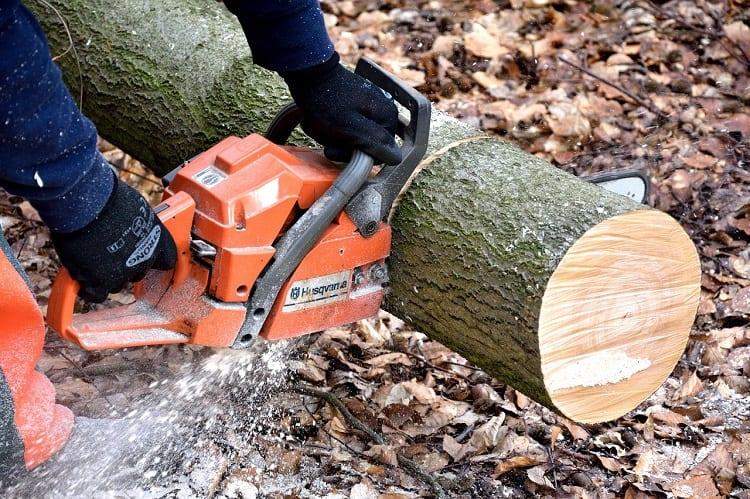
In this article, we’ll explore some of the best American-made chainsaws available on the market in the Philippines. From trusted brands to standout models, we’ll highlight the features that make these chainsaws reliable, efficient, and ideal for both professional and home use.
You’ll learn why these saws deserve a place in your toolkit, how they can improve your cutting performance, and what sets them apart from other options on the market. Whether you’re tackling daily work, DIY projects, or occasional heavy-duty tasks, this guide will help you make an informed choice and get the most out of your investment—after all, that’s why we review saws here.
Best Chainsaws Reviews & Recommendations For 2026
Husqvarna 460 Rancher
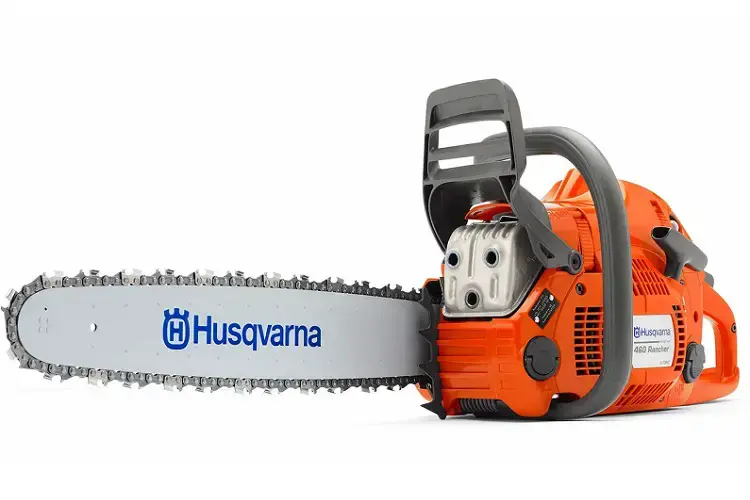
The Husqvarna 460 Rancher 18-inch Gas Chainsaw is a heavy-duty all-round chainsaw designed for users in the Philippines who need strong cutting performance for demanding outdoor tasks such as tree felling, firewood cutting, storm cleanup, and general land or farm maintenance. It is built for tough environments where high power, durability, and independence from electricity are essential.
This model is best suited for homeowners with large properties, farmers, and semi-professional users who regularly deal with thick trees and heavy-duty cutting conditions.
Cutting Performance and Applications:
3.60 HP X-Torq Engine: Delivers high torque output for efficient cutting across a wide RPM range, making it suitable for dense hardwood and large logs commonly found in tropical environments.
18-Inch Guide Bar: Ideal for medium to large trees, firewood processing, and heavy-duty yard or farm work.
High-Speed Operation (~9,000 RPM): Provides fast chain movement for aggressive and efficient cutting performance.
Control and Operation:
Ergonomic Handle Design: Improves comfort and reduces fatigue during long cutting sessions, especially important in hot and humid conditions.
Balanced Body Structure: Helps maintain stability and control when cutting thick or wet wood.
Simple Operating System: Designed for straightforward starting and reliable use in outdoor environments.
Features and Design:
Automatic Chain Oiling System: Continuously lubricates the chain and bar for smoother cutting and reduced wear during extended use.
Side-Mounted Chain Tensioning: Allows quick adjustments without needing additional tools.
Quick-Release Air Filter System: Makes cleaning easy and helps maintain engine efficiency in dusty outdoor conditions common in rural areas.
X-Torq Engine Technology: Improves fuel efficiency and reduces emissions while maintaining strong cutting power.
Portability and Build Quality:
Gas-Powered Mobility: No reliance on electricity, making it ideal for remote areas and outdoor properties in the Philippines.
Heavy-Duty Construction: Built to withstand frequent use in forestry, farming, and rugged terrain.
Rugged Frame Design: Supports long-term durability under demanding workloads.
Pros:
- Strong 3.60 HP engine with high torque for tough cutting jobs
- Ideal for large trees and rural land maintenance
- Automatic chain oiling improves cutting smoothness and durability
- Fuel-efficient X-Torq system reduces operating cost
- Durable build suitable for harsh outdoor environments
Cons:
- Chain quality may require upgrading for professional forestry use
- Heavier than electric or smaller saws
- Requires fuel mixing and regular maintenance
Suitable For:
The Husqvarna 460 Rancher is ideal for users in the Philippines such as homeowners with large yards, farmers, and rural landowners who need a powerful gas chainsaw for heavy-duty tree cutting, firewood preparation, and outdoor land clearing where electricity is not always available.
Echo CS-310
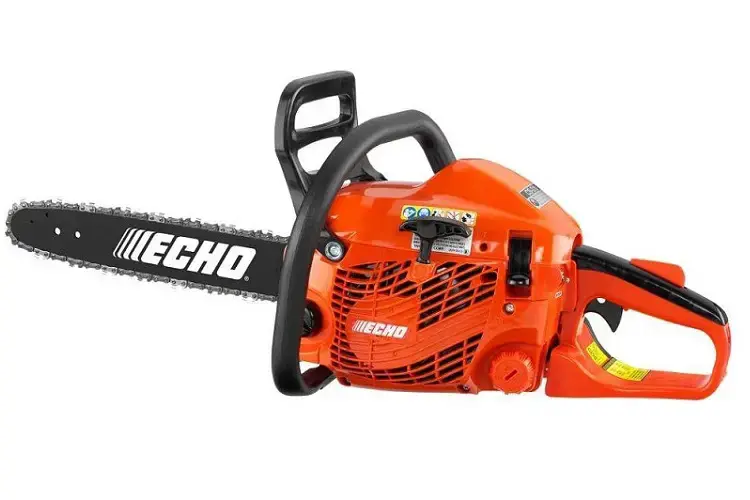
The ECHO CS-310 Chainsaw is a lightweight, entry-level gas-powered chainsaw suitable for homeowners in the Philippines who need a simple but capable tool for light to medium tree cutting, pruning, and general yard maintenance. It is especially useful in rural or provincial areas where reliability, portability, and ease of use are more important than heavy industrial power.
This model is designed for users who want a balance between portability and cutting performance, without dealing with overly heavy or complex professional saws.
Cutting Performance and Applications:
30.5cc Gas Engine: Provides reliable cutting power for small to medium tree branches and general yard work.
14-Inch Guide Bar: Suitable for trimming branches, cutting firewood, and light tree felling tasks commonly found in home gardens.
Light-Duty Gas Performance: Best for occasional to moderate use rather than continuous heavy-duty logging.
Design and Handling:
Ultra-Lightweight Build (Approx. 6.42 lbs): Easy to carry and control, even for longer cutting sessions.
Anti-Vibration Handle: Reduces fatigue and improves stability during use.
Rear Handle Design: Offers better control and maneuverability when cutting in tight spaces or above shoulder level.
Features and Convenience:
Side Access Chain Tensioner: Allows quick chain adjustments without removing major parts.
Reduced-Start System: Helps make pull-starting easier compared to traditional gas saws.
Replacement Chain Included: Provides immediate backup for maintenance or extended use.
Fuel and Maintenance:
8.5 oz Fuel Tank: Designed for short to moderate working sessions with refueling breaks.
Gas-Powered Simplicity: No batteries or cords required, ideal for remote or outdoor use in the Philippines.
Basic Maintenance Needs: Requires regular chain oiling, fuel mixing, and air filter cleaning.
Pros:
- Lightweight and easy to handle
- Good for beginners and homeowners
- Reliable 30.5cc engine for small to medium tasks
- Anti-vibration system improves comfort
- Portable and cordless (gas-powered freedom)
Cons:
- Can be difficult to start for some users
- Not suitable for heavy-duty or professional logging
- Smaller fuel tank limits long continuous use
- Requires regular maintenance (fuel, oil, filter)
Suitable For:
The ECHO CS-310 Chainsaw is ideal for Filipino homeowners, small farm owners, and DIY users who need a lightweight and dependable chainsaw for pruning trees, cutting firewood, and general yard maintenance. It performs best in everyday residential environments where ease of use and portability matter more than extreme cutting power.
Poulan PL3314
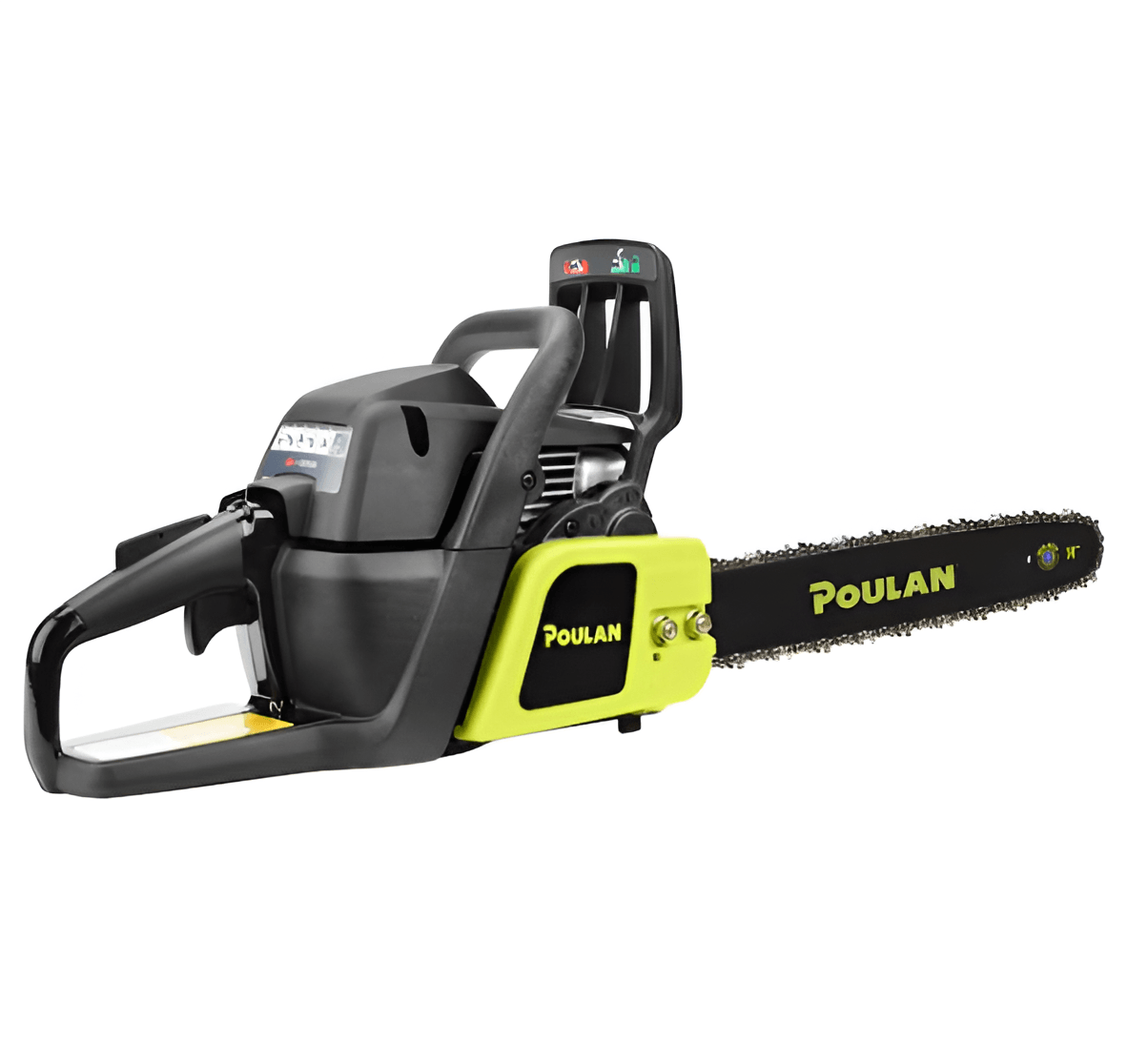
The Poulan PL3314 Chainsaw is a compact gas-powered chainsaw designed for homeowners in the Philippines who need an affordable and capable tool for light to medium-duty cutting tasks such as pruning, firewood preparation, and basic yard maintenance. It combines a simple design with a fairly strong engine, making it suitable for occasional outdoor use.
This model is aimed at users who want a budget-friendly chainsaw that still delivers enough cutting power for everyday household needs without requiring advanced handling skills.
Cutting Performance and Applications:
33cc 2-Cycle Gas Engine: Provides reliable cutting power for general household wood cutting and light tree work.
14-Inch Guide Bar: Suitable for trimming branches, cutting small logs, and handling typical yard debris.
Light-to-Medium Cutting Capacity: Designed for residential use rather than professional forestry work.
Design and Handling:
Compact and Lightweight Build: Easier to handle than larger professional chainsaws, especially for home users.
Primer Bulb System: Helps improve cold starts by delivering fuel directly to the carburetor.
Combined Stop/Choke Control: Simplifies starting and reduces the risk of engine flooding.
Features and Convenience:
Automatic Chain Oiler: Continuously lubricates the bar and chain for smoother cutting and longer chain life.
Clean Air Filter System: Helps improve engine longevity by reducing dust and debris intake.
Easy-Start System: Engineered to reduce pull-start effort and improve reliability.
Fuel Efficiency and Emissions:
Improved Fuel Efficiency Design: Reportedly reduces fuel consumption compared to older models.
Lower Emissions Output: Designed to meet modern environmental expectations for small gas engines.
Pros:
- Decent power for home and yard use
- Automatic chain oiling system
- Easier starting system with primer bulb
- Fuel-efficient compared to older chainsaws
- Affordable entry-level gas chainsaw
Cons:
- Can feel heavy during extended use
- Not suitable for heavy-duty or professional logging
- Build quality is basic compared to premium brands
- Requires regular maintenance (fuel mixing, oiling, cleaning)
Suitable For:
The Poulan PL3314 Chainsaw is ideal for homeowners in the Philippines who need a budget-friendly gas chainsaw for trimming trees, cutting firewood, and general outdoor maintenance. It works best for occasional use where affordability and basic reliability are more important than professional-grade durability or high-end features.
Chainsaws FAQ
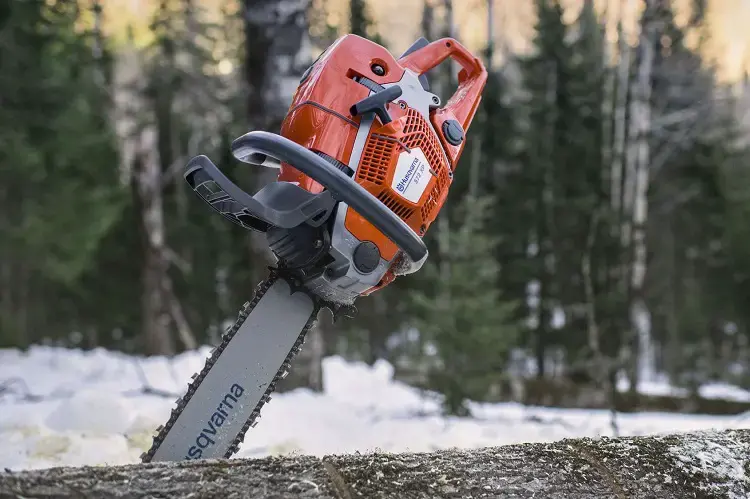
How to Pick a New Chainsaw?
Chain saws were once tools used by loggers and farmers, however, today they are used by homeowners for a huge amount of tasks, from felling trees to cutting firewood and creating fences.
Likewise, the amount of accessories has followed the same trend, and deciding on which chainsaw to buy can be overwhelming. However, they are a few questions that you should be asking yourself before making a purchase, like:
- How often will you be using the chainsaw
- The type of wood you will be sawing
- What size of trees will you be felling
- How important is the ergonomics of the chainsaw
- Do you need an easy access air filter and spark plug
- Should the chainsaw be adapted for winter use
Ultimately, deciding on the size of the chainsaw that is suited to you is crucial. Choose a smaller chainsaw that’s easier to move around if you are new to chainsaw work.
This is because if a chainsaw is too heavy, then your arms and hands are going to tire quickly and ultimately will represent a safety risk in the long run.
The length of the bar guide is equally important when purchasing a chainsaw. It is also determined by tree size and to some extent, your level of expertise. So if you are new to chainsaws, then a shorter guide bar will be easier to maneuver when doing limbing work.
Another crucial consideration is the safety of the chainsaw. In fact it’s one of the most important aspects to consider when buying a chainsaw.
Always ensure that the chainsaw has plenty of safety features and that they are all well tested. This reduces the risk of injuries. Also, take precautions and wear safety gear when using your chainsaw.
Where to Buy?
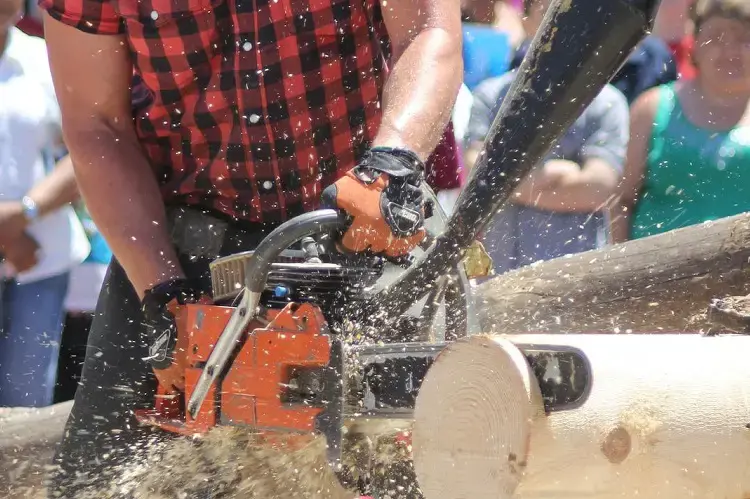
Most forest managers and foresters agree and consider buying chainsaws such as Stihl, Jonsered, or Husqvarna with good local dealers. Any reliable chainsaw brand you buy from a nearby dealership will last a lot longer.
When deciding to buy a chainsaw, ensure that the company you’re purchasing from is reputable and has a trustworthy reputation.
While lots of people choose to go for household brands due to word-of-mouth and reliability, there are lots of new brands and companies on the market offering quality chainsaws.
You can choose to walk into a brick-and-mortar store if you prefer to test the chainsaw out for yourself before purchasing, or alternatively, if you don’t mind shopping on sites such as Amazon, then you can make your purchase online.
Protective equipment?
Wearing proper clothes is one of the best precautions for you to mitigate the risk of serious injuries. Carry sturdy, snug-fitting clothes that allow you total free movement.
Why should you opt for an American-made chainsaw?
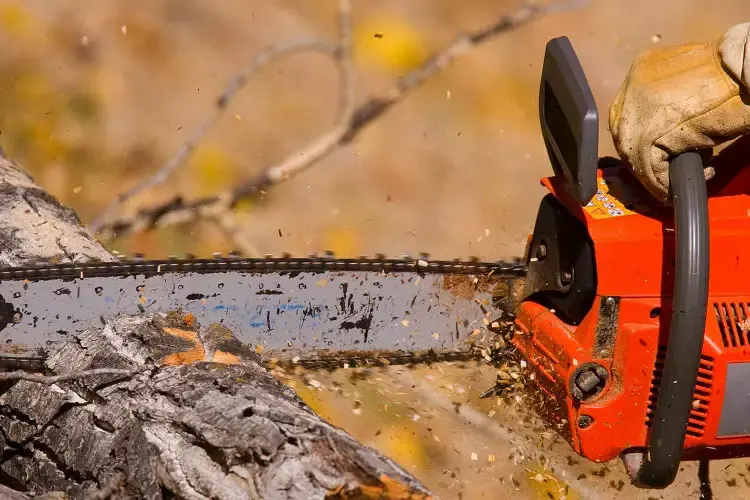
Chainsaws manufactured in the USA are known for their excellent performance, high quality, and also durability.
So if you are searching for an American-made chainsaw, you can pick from a variety of different brands and specifications. However, what they have in common is that each of them offers outstanding features and makes an excellent pick.
Some of the most popular American-made chainsaw plants include Husqvarna which has been in existence in 1689 and has headquarters in Sweden. The Echo brand is also made in America, however, has several manufacturing plants based in Japan, China, and Illinois.
Poulan is also a part of the Husqvarna group and is manufactured in the USA. Manufacturing plants are also located worldwide for Poulan. Jonsered, Remington, and MacCullock are American-made and provide premium quality in their chainsaws and longevity.
- Guaranteed Goods Standard.
- Safer and Equal Working Conditions.
- Helps reduce the budget.
- American Made Goods Are More Expensive
- Foreign Products May Be Built Better
Why shouldn’t you buy Chinese chainsaws even if they are cheaper?
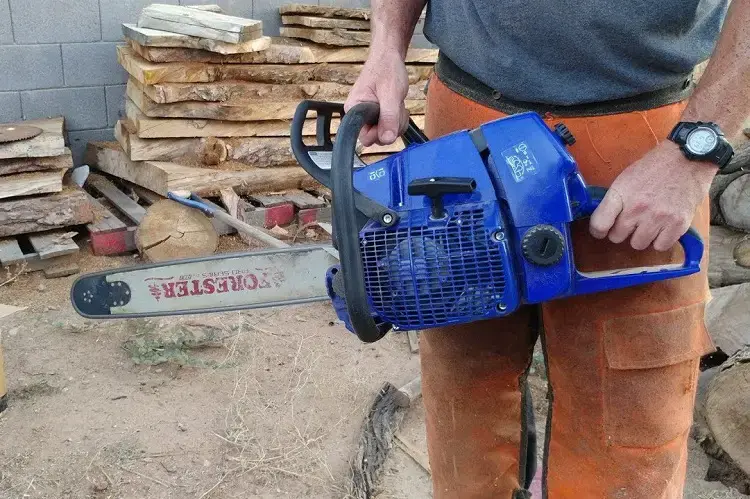
The dilemma is not so much the procurement of a Chinese-made chainsaw; the question is the purchase of some computer sight unseen.
If you purchase a Chinese chainsaw on the market, you don’t have a way to confirm its accuracy, usually, you’re left without a warranty and have no recourse to fixing the machine if it fails.
While some of the Chinese chainsaws may come from valued brands, they are mostly manufactured by a variety of subcontracting companies.
So basically what we recommend is that when purchasing Chinese chainsaws, it’s never a good idea to buy over the Internet. Lots of consumers have reported problems with Chinese chainsaws when buying on the Internet.
So the best advice that we can give is not to buy a Chinese chainsaw without being able to see, touch and inspect it personally.
Alternatively, even if you do decide to buy a Chinese chainsaw over the internet, ensure that you receive at least a 30-day warranty.
Next, always make a purchase from trusted and well-known companies.
You may also choose to make a purchase from a dealer and this way you get a warranty and service guarantees so if the chainsaw breaks or malfunctions, they will be able to get it for you.
Chinese chains tend to use newer and lighter materials to build more powerful and possibly durable machines. So you should be asking yourself how does it feel?
Consider whether the chainsaw is too bulky and would it be harder to use. In most cases, some of the best chainsaws are small and light.
However, the most important point is to examine the saw personally before making a purchase. This is something that you cannot do over the Internet.
Modern Chainsaw Uses
Chainsaws have a long history, but their uses have remained largely the same over time.
Felling
The earliest use for chainsaws tended to revolve around the area of felling.
This process is the actual cutting down of a tree, often near the base of the trunk. As you can imagine, while the overall goal of felling is fairly simple, the process itself requires a large amount of skill and planning.
The earliest lumberjacks had to use two-person saws that were operated by pulling back and forth across the trunk using a longer version of a basic hacksaw. Axes could be used on smaller trees.
The development of commercialized chainsaws made this process a lot easier, more predictable, and allowed for more control as well.
Limbing
The limbing of a tree refers to the process of removing the limbs, leaving only the main part of the tree’s body. This is the main part of the timbering process that prepares a tree for being divided up and sold as lumber later on down the road.
As with felling, limbing a tree requires a lot of precision and planning when dealing with larger trees, as the limbing often takes places while the tree is still standing out of the ground, prior to being felled.
Before chainsaws, limbing was done using handsaws, which made the process more dangerous and took a lot more time.
Bucking
Bucking is often seen as the most crucial part of the timber process. This term refers to cutting up a felled and delimbed tree into logs.
While this sounds simple and somewhat easy, the way a tree body is bucked makes all the difference in what it can sell for, as the bucking must take into account the length of the lumber, its diameter, and any defects that are contained within.
Sawyers that specialize in providing precise bucking cuts are called buck sawyers, and chainsaws developed for bucking makes their lives a lot easier.
Pruning
Pruning is the process of removing certain parts of a tree, which is almost always the limbs. This is done on trees that are meant to be kept, rather than cut down or removed.
There are a lot of reasons for someone to prune a tree. The most common examples include helping to shape its appearance by getting rid of branches that seem out of place, or affect the desired aesthetic of the tree.
Pruning can also be used to get rid of dead or dying branches, which will help sustain the health and looks of the tree, and reduce the risk posed by any falling branches that could result from ignoring dead ones.
Firebreaks
A firebreak is a gap between vegetation that is used to slow or halt the progress of a wildfire. This is a common tactic with firefighters who are trying to impede large fires that have gotten out of control and are threatening to either increase in scope, or move through a certain area.
With firebreaks, timing is everything, so the ability to quickly chop down large swaths of trees is a huge advantage. This typically involves groups of firefighters or even military members swarming a certain area where the fire is heading, and then removing trees, bushes, and other vegetation so that the fire runs out of fuel and dies out when it reaches that point.
Cutting Firewood
One of the easiest and most general uses for a chainsaw is to cut up firewood. Whether it’s from trees you’ve cut down yourself, or wood that’s been salvaged or taken from another area, a chainsaw is a quick and easy way to cut up wood into the appropriate size for use in a fireplace or campfire.
This is a much better and less strenuous alternative to using a hand saw or axe to complete the process.
Other Uses
Aside from cutting wood in various capacities, chainsaws can also be used for construction. There are special types of chainsaws that can actually cut through concrete, making them popular for road construction and other similar infrastructure projects.
There is also a small group of talented sawyers that can use chainsaws for art. This is most often down with carving wood stumps, often into intricate designs, depictions of people, or animals.
This can be a popular solution for someone who has cut most of a tree down, but does not want to deal with the stump removal process of removing the roots from the ground as well. A skilled sawyer can carve a design into the stump, which is then used as a sort of natural decor.
There are also some who can use chainsaws to create ice sculptures.
Why You Need a Chainsaw
I’ve already touched on this a little, but the sheer versatility of a chainsaw makes it a must-have for almost any home or property owner. It’s useful for so many different tasks than can occasionally pop up every now and then, so it’s always best to have one on hand.
Most chainsaw owners will use one at some point to deal with tree limbs and large shrubs on their property. If you’re able to down a limb and then cut it up further yourself, you can save a ton of money when compared to hiring it out. Plus, you’ll have your own firewood if needed.
The same goes for cutting down bothersome shrubs and other growth around your property. If you have a lot of it to deal with, using other types of saws or manual saws can take several times longer than with a chainsaw.
There may also be times when you need to break something down in order to get rid of it.
Aside from being more convenient than hauling it off yourself, using a chainsaw to cut up something like an old desk or entertainment center that’s of no longer of any use can be a pretty fun few minutes. Just saying.
Add to this the fact that chainsaws can be relatively inexpensive, easy to maintain, and simple to use, and you can see why it’s a great choice to have one on hand when needed.
What are the Different Chainsaw Power Sources?
Since this isn’t the early 1900s anymore, chainsaws have a few different power source options, as most any other power tools these days. Each one has some advantages and disadvantages.
Gas
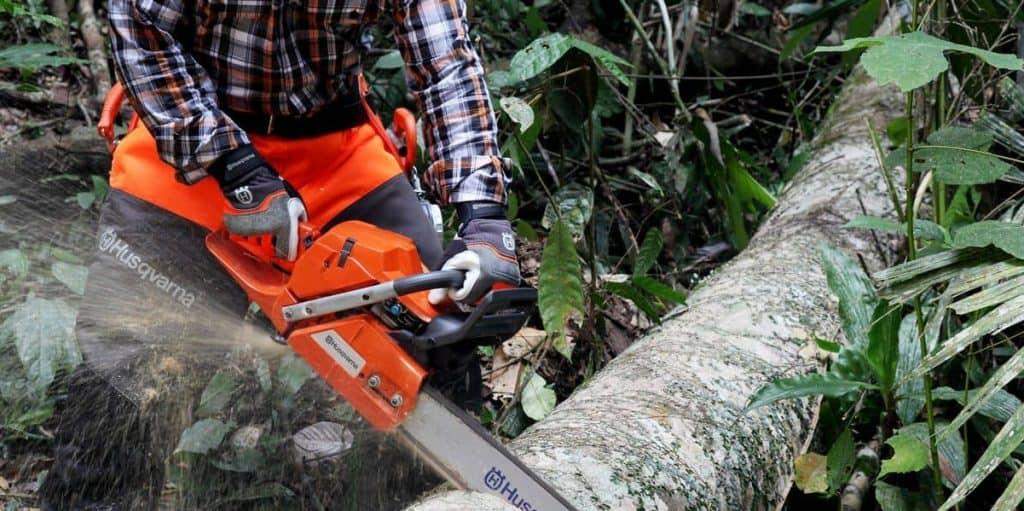
A chainsaw that’s gas-powered typically uses a two-stroke combustion engine, not unlike one you’d find on a gas-powered trimmer. These engines often require oil to mixed with the gas, and also are usually the chainsaws that have the highest power and torque.
A gas-powered chainsaw is great if you want to be mobile, while also having an added amount of power that my be required for cutting down larger objects.
The downside is that you have to replenish the gas every so often, and also add oil to the engine. Gas engines are the most complicated, so there will be some added maintenance you’ll need to perform every so often as well.
Electric
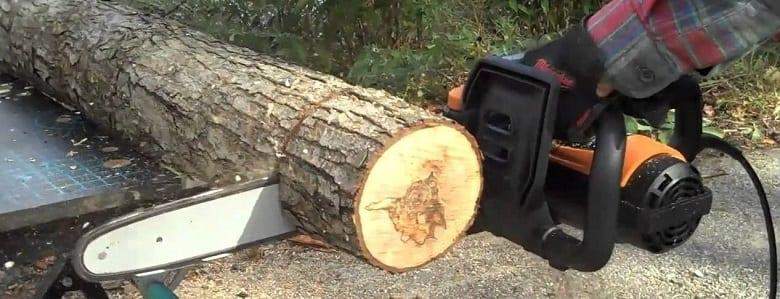
Electric chainsaws come in many different forms, and in a lot of different power levels too. They plug into a standard extension cord, and give you instant chainsaw power as soon as you’re plugged in.
The great part about electric chainsaws is the fact that they’re always ready to go, no need for gas, oil, priming, or cord pulling. They are simple and easy to deal with, even for novice users who have little to no experience with power tools. Most economical chainsaws that still perform well are electric.
The drawback is also part of what makes these a popular choice: the cord. Since you have to worry about running a cord from a power source to your saw, you are somewhat limited as the top where you can use it. This probably won’t be an issue to someone using the saw in a basic front or backyard. Fortunately, there are also cordless electric chainsaws available.
Battery/Rechargeable
A rarer power source type for chainsaws is a battery pack like you see with drills, various handheld saws, and some other forms of yard equipment. With a battery, you simply charge it up, pop it into your saw, and you’re ready to cut.
A battery chainsaw gives you the mobility of a gas-powered model, but without the complications and added expenses of a gas engine. This can be great for someone who needs to use the chainsaw away from a power source.
There are some disadvantages, however, mostly revolving around the power capacity of the battery. Most battery chainsaws are not as powerful as their electric or gas counterparts, and the ones that are can be expensive. Then there’s the whole constant recharging aspect as well.
Still, for some users, they are more than ideal.
Important Chainsaw Aspects & Specs
When it comes time for you to start shopping for a chainsaw for your own use, there are some main areas you’ll need to be mindful of.
Size
The size of your chainsaw is going to be very indicative of its capacities. For instance, smaller chainsaws are clearly made for just removing limbs and cutting up smaller pieces of wood, while larger ones can be used for making firewood, or chopping down moderate-sized trees and shrubs.
It’s best to not get something too big for what you’re needing, and vice versa.
Pay attention to how long the guide bar is as well, since this shows the cutting capacity of the saw.
Power
If you’re going to be dealing with a lot of heavy cutting, make sure to shop for saws with larger engine power capacities, or else you’ll experience a lot of chain slips, getting the bar stuck, and wearing down for blades.
On the other hand, if you’re just doing some routine maintenance and light landscaping, a smaller engine size will do just fine. Trying to cut things beyond your saw’s power limits will result in more than a few issues.
Gas, Electric, or Battery?
I’ve covered this a bit, but it’s worth reiterating. If mobility is an issue, a gas or battery-powered saw is best. If you’re going to be staying around your yard within range of your extension cord, an electric saw will be much easier to use over the long term.
How to Use a Chainsaw
Already have a chainsaw and need to know how to get started using it?
Here’s a quick guide to get you up and running.
- Begin by examining your saw, and making sure there are no obvious defects, loose parts, etc. If it needs gas and oil, follow your manufacturer’s instructions to attain the proper level and mix.
- Remove the blade guard, and examine the chain’s tension. You should be able to barely lift the chain off the guide bar. Refer to your manual for the exact amount. If it’s too tight or too loose, use your hex tool to adjust the tensioning with a quick turn or two.
- Check the lubrication level of the saw, and add more lube if you’re low.
- Sit the saw in an area where you have clearance to pull the cord if it’s a gas-powered model. If not, you’re all set.
- Bring the saw over to what you’re cutting, and drive the saw downward onto it, with the tip pointed upwards just slightly. Let the chain make contact to begin the cut, and then slowly start pressing down through the wood.
- Follow through and cut all the way through the wood, maintaining the same angle. Do not overly force anything.
- Turn the saw off, reapply the blade guard, and either put the saw up, or move on to your next cutting task, and repeat. If you have more to saw, check the chain tension again.
Conclusion
Everyone may choose depending on their personal desires and requirements.
Some actually prefer the torque and minimal cost of the Stihl, while others prefer the stiffness and long running time of the Husqvarna.
The most significant aspect is that the chainsaw works correctly and securely. A strong chainsaw can help maximize production and output.
It would also minimize the number of times you need to loosen or change chains.
If you follow up with the required service and the appropriate repairs, any brand will last you for a number of years.